The road to Adelaide

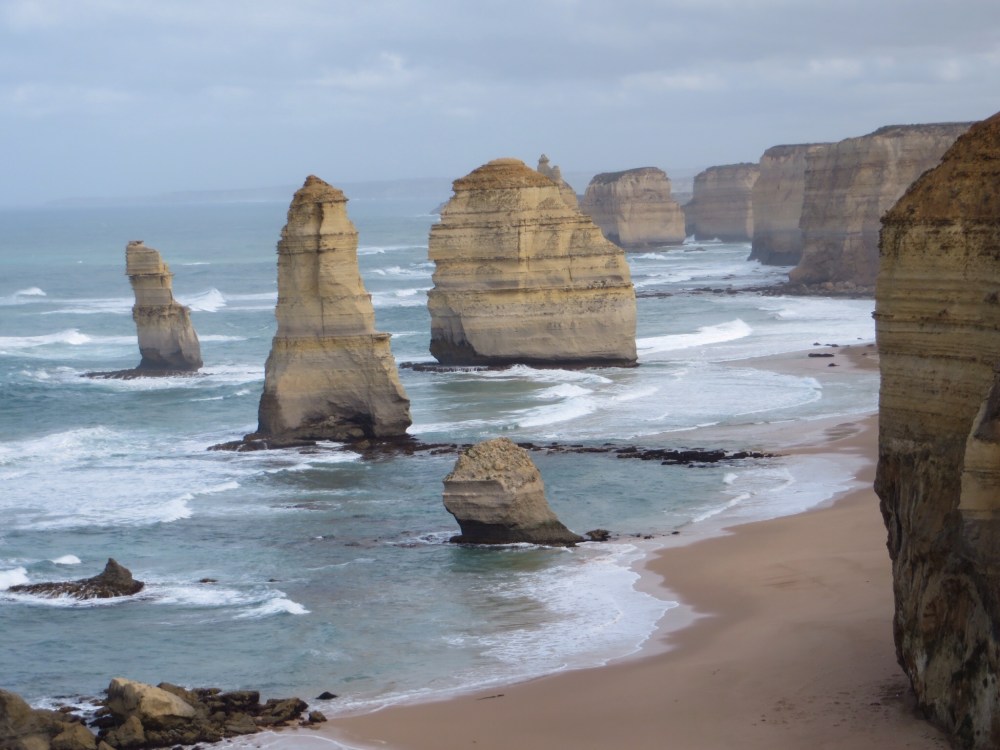
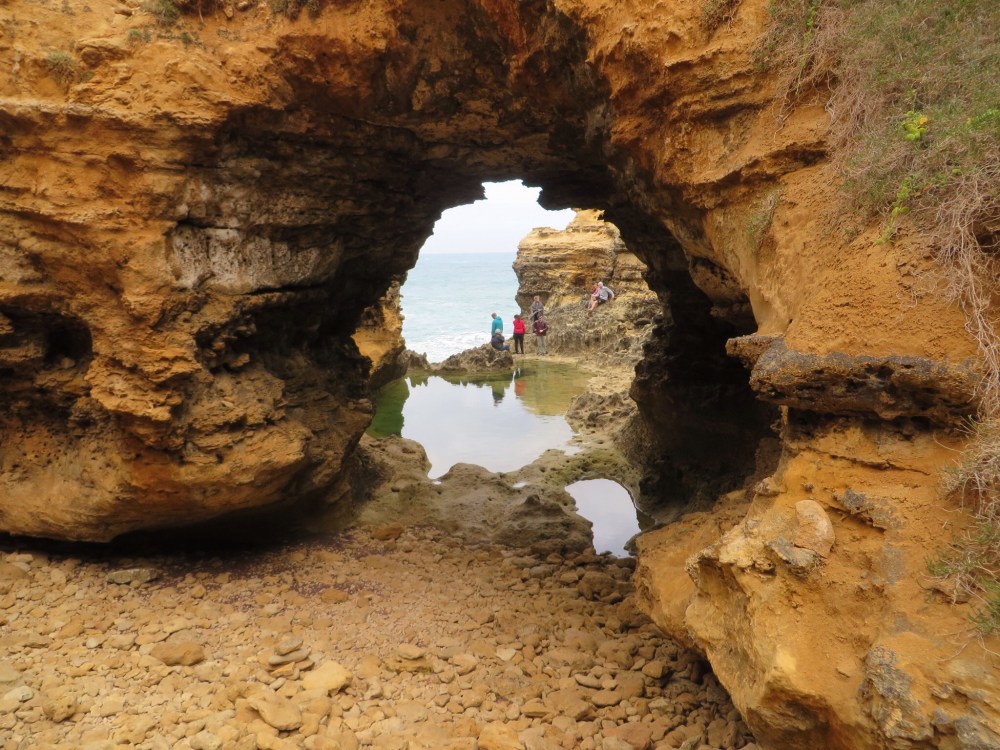
The road to Adelaide is filled with wonder. Not just the Great Ocean Road, though that, in itself is worth the trip. Built in the 1920s by men returning from the Great War,, it hugs the coastline and skirts along the cliff. For quite a distance, it was cut out of the rock. Driving here is not for the faint hearted and passing large trucks reminds me of a phrase much loved by my dear departed mother, “It’s like an elephant hanging over a cliff, with his tail tied to a daisy”. Still, you get to see the twelve Apostles, which shows just how close to god we got.
img_2366

img_2375

Did you know that killer whales hunted in packs, and corralled the far larger blue whales, and chased them into a bay, where they were trapped. Not only that, but they then swam to the shoreline, jumping and splashing, to alert the whalers, and to get them out in their boats to hunt and kill the trapped blue. The dead blue was left for a few hours, so that the killer whales could have their pay, they ate the tongue and lips, before it was brought ashore by the whalers. Of course all this ended many years ago, and whales are now protected in Australian waters. There’s a story around every turn.
img_2411

img_2363

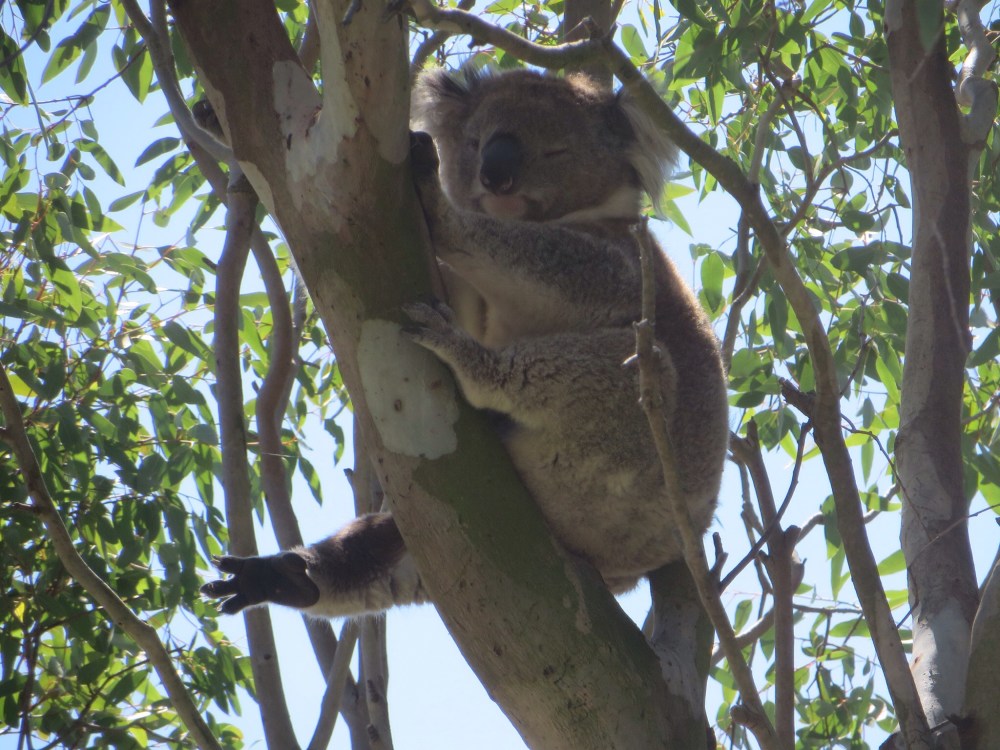
There is a park area surrounding lakes, at the town of Mount Gambier. The lakes are deep blue and fill the lower level of volcanic craters left four thousand years ago. The park is full of wildlife. So it says on the notice boards. However, the wildlife, wise wildlife as it is, stays sheltered from the midday sun. Unlike the two fools strolling in the enjoyable swelter of the beating sun. So said, we saw only ducks, swamp hens and picnickers until, shh, quiet, look, there in the tree beside us, a koala bear. Happily having a munch and enjoying the view. And far too cool to be bothered moving because we came along.
img_2403


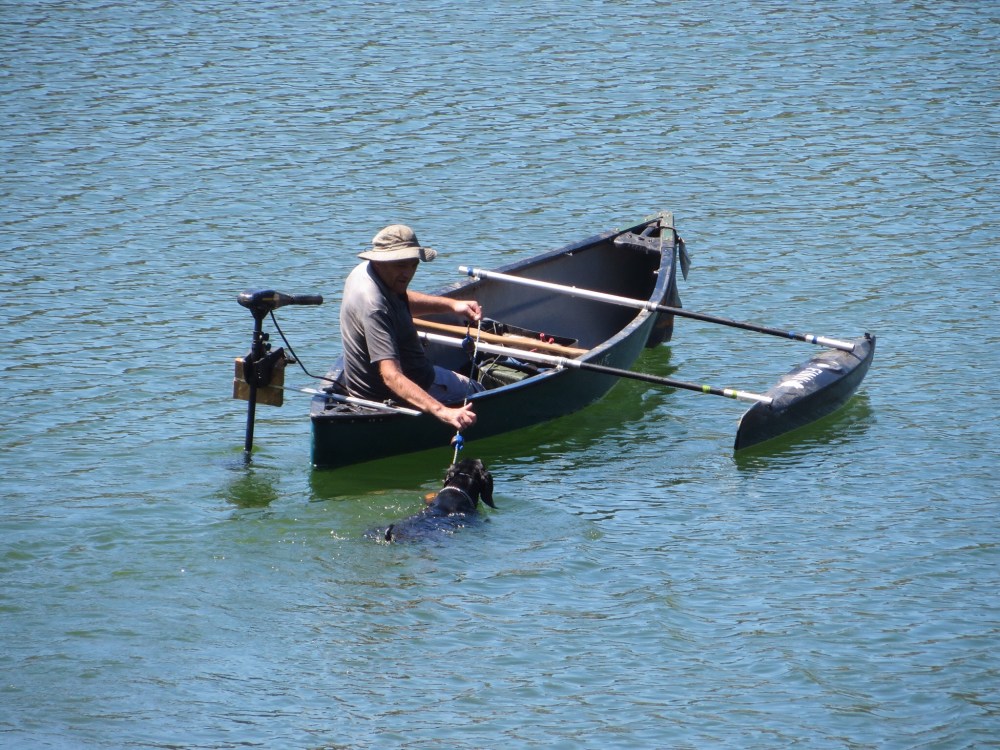
If one unusual sighting wasn’t enough, not 500m away, was a man taking his dog for a swim ……… on a lead of course. No illegal dog swimming around here. And then there was the novel parking method for tractors. And of course, the giant lobster. Isn’t it only marvellous!! Sure, as the man said, “The world is her lobster”.

We approach Adelaide, and the rain starts. In the words of fleetwood Mac, “Oh well”.

Happy St Patrick’s Day. Dochas linn Naomh Padraig.
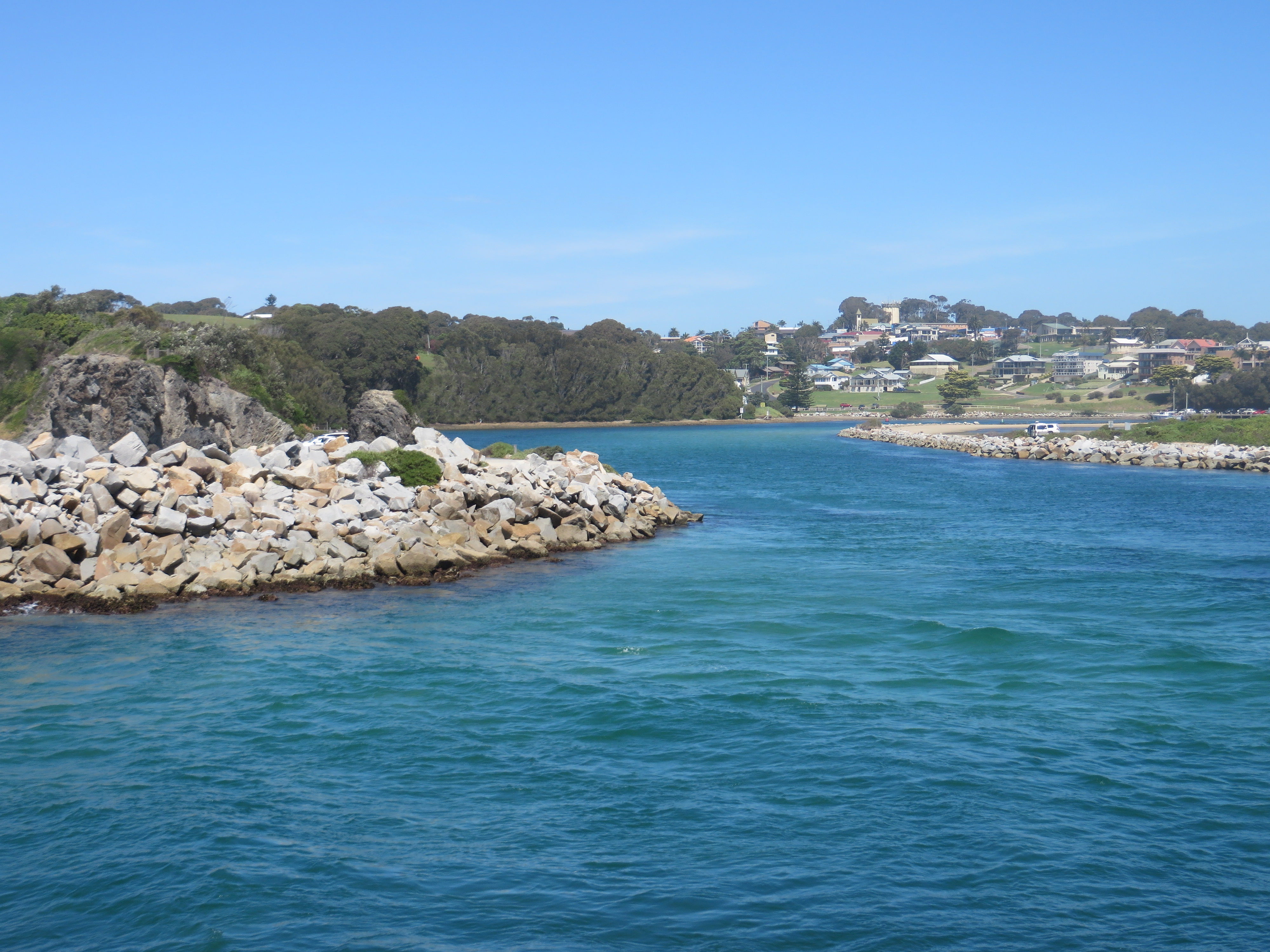
Melbourne

Melbourne is in festive mood. It is a holiday weekend. It is Moomba festival. They are also getting ready for the Grand Prix in a few days. They are also getting ready for Easter. It’s festival time. I get the impression that in Melbourne, it is always festival time. 

We arrive in St Kilda’s to discover that there are no campsites here, or within Melbourne precincts. The nearest is twenty kms away and that is full. Because it’s festival time. The next nearest is not only full but also carries the interesting internet review, “Only use if desperate!” We park in a very large, very busy carpark and spend a lovely afternoon strolling around St Kilda’s. After a food stop, we go to a concert by an Australian rocker of the 70’s/ 80’s called Russell Morris. Very good. 

Back to our trusty camper. The large, busy carpark is now empty. Except for us. One lone van in the centre of a vast, open, concreted arena. Hiding, is not an option. What to do? We climb aboard, turn off all lights and go to bed. 7.45am …. Knock, knock. “Don’t answer it”. “OK”. Knock, knock. Stay still. Not a sound. The knocker goes away. I peep out. The large carpark is full! To the brim! Not a space in sight! It’s 7.50am!! It’s full! Where did they come from? When? We sneak out and go for coffee. When we come back, there is a very official looking note on the windscreen, informing us that camping overnight in St Kilda’s is forbidden and carries large penalties. We lock up and go into Melbourne, on the tram, for the day. 

What a day. The sun is shining, the place is hopping, and guess what? Melbourne is in festive mood. We walk, tram and stroll the city, top to bottom. We visit the lanes, the alleys, the markets, the water-skiing finals, the outdoor rock concert and the film museum, where Cate Blanchett is very artistic in multiple roles. And we visit Chloe. As evening falls, we return to retrieve our mobile homestead, and head off west. Just ahead of the St Kilda’s camping police posse.

Bega

A couple of days’ drive brought us to Bega and into the welcoming arms of good friends, Dave and Annie. We met Dave while hiking the Camino last year, and again, when he and Annie visited Ireland before their return to Australia. Theirs is a fascinating home. Despite both working full time, they have sheep, chickens, ducks, a horse, cat, baby guinea fowl and Oscar (Ossie), the adorable three legged dog.
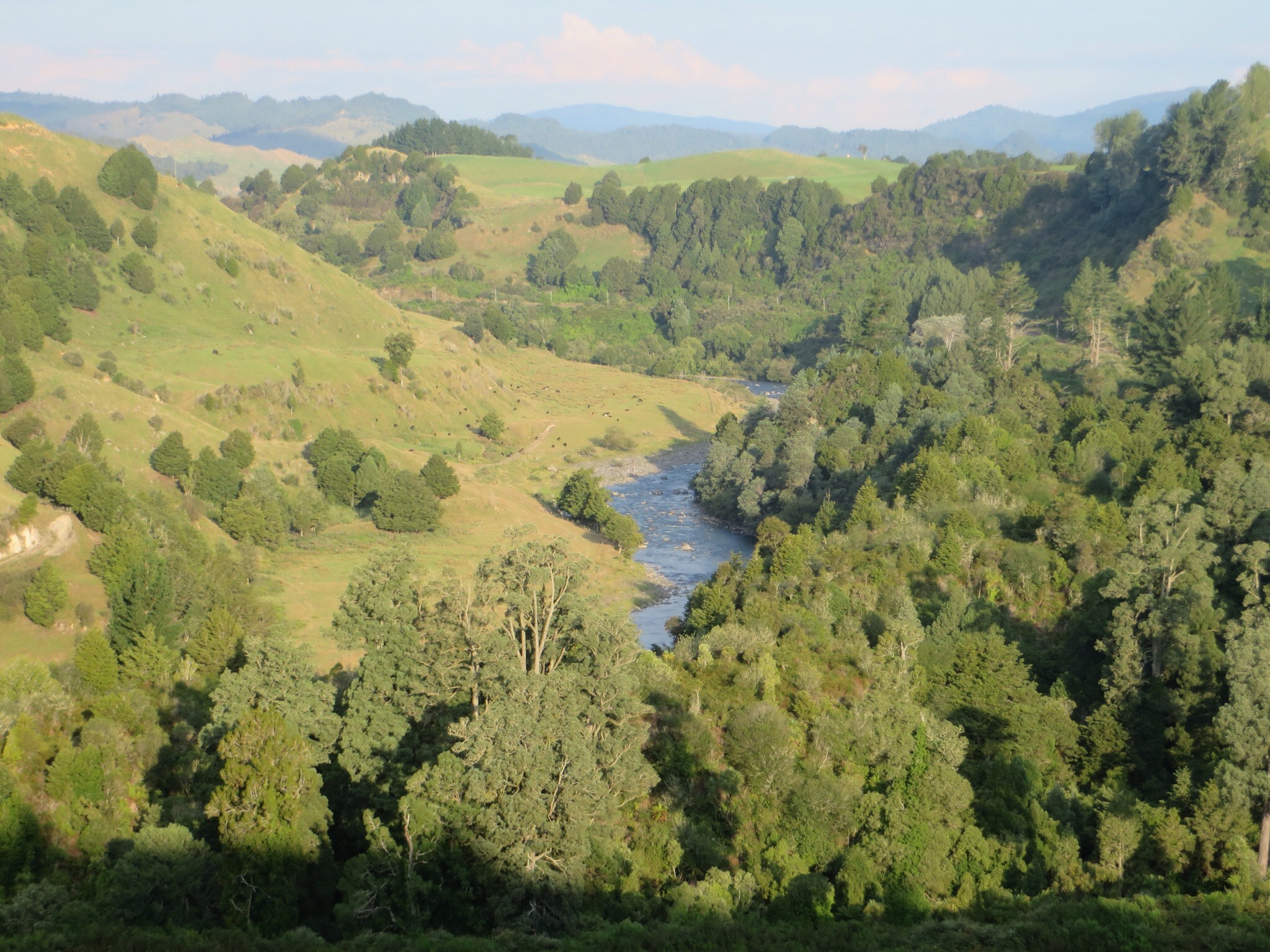
image
How to pass the time in Bega, let me count the ways……

Trekking through Bournda National Park, now there’s a start. We head out past pirate’s cove and into a forest of trees that look dead from the ground up to about twenty feet, where they unexpectedly, burst into life and produce a green leaf cover in all directions. By times, the forest opens to reveal the deep blue of the ocean, beating against the shoreline below us. We drop down to a small, secluded cove and swim in lively, tumbling surf. On again, climbing up through the rocky, sandy forest track. The termites here are busy folk and build their high rise homes, a million stories high. The end of the trail brings lunch and, yes, another swim on the beach.
Other days are spent boating down the river, walking on beaches, along estuaries and by pools and playing golf. Yes, we go golfing one day on a course with a very large kangaroo population. They are very supportive. Yes, supportive, attentive and encouraging. They cover half the fairways and move little when approached. In fact, they move little, even when hit with a golf ball. All part of the fun. One even clapped as we passed. Clearly her expectations had not been high.

Evenings are spent chatting, eating, drinking, singing songs and playing guitars. What a wonderful few days. Too soon they are over, and we’re on the move again. Many thanks to Dave and Annie. Until next time.

Bundeena. We arrive in Australia

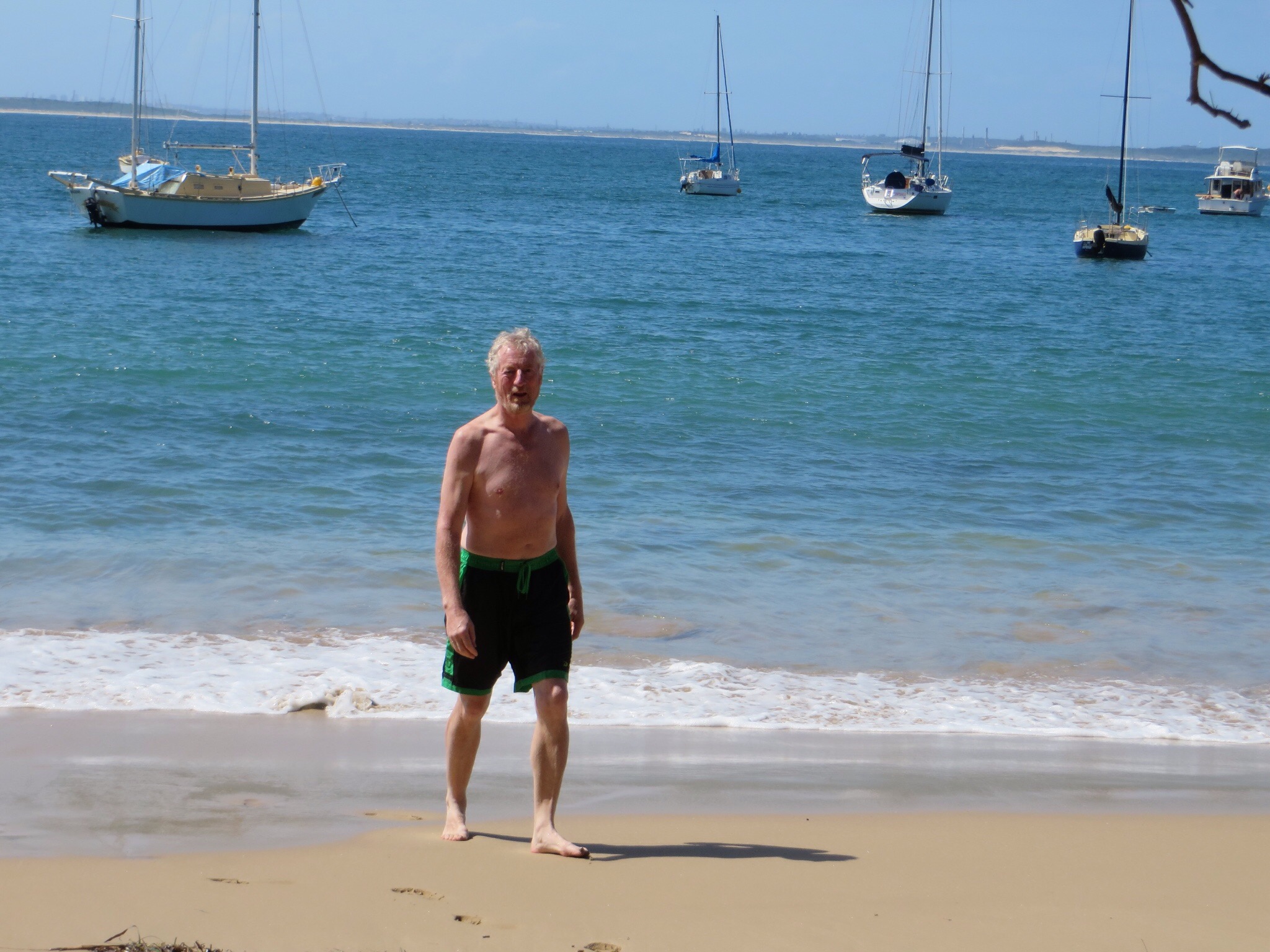
The beaches of Bundeena are sunny, soft sanded and very sparsely populated. The water is not cold. You feel no chill, as you duck and dive and splash in these seas. Still, it is refreshing. And there is company. A little penguin has decided to join us for a swim. He delights all, before diving and disappearing off to god knows where. We search for a break in the surface, right across the bay, but all we see are the distant high rise buildings of Sydney.

    
We walk the length of the beach, then step off into the bush to go find the aboriginal rock markings. It is fascinating to think that these are ten thousand years old, (some accounts claim they are even older, though some say they do not go back so far). Who knows. To imagine someone sitting on these rocks, however many thousands of years ago, and making drawings that we still see today, is remarkable
Then back to Sean’s house. We are blessed with a kind and welcoming host, who offers shelter and comfort, and who fills us with food and with drink, and with conversation and good company. We stay for a week and, while we’re there, we visit the city to see the sites. Sydney harbour and the opera house. The bridge, the parks, the Rocks, (that’s an area, not a boulder pile), the museums, the bars, the restaurants ……. You get the idea. 

Last night in Bundeena and we have dinner and play an open mic session at the bowling club. I’m reluctant to leave this peaceful place, but we have collected our trusty camper van and we have the open road ahead. Many thanks to Sean and Corinne, and all who gave us their welcome, and their friendship. Until next time!!

Tale of two cities

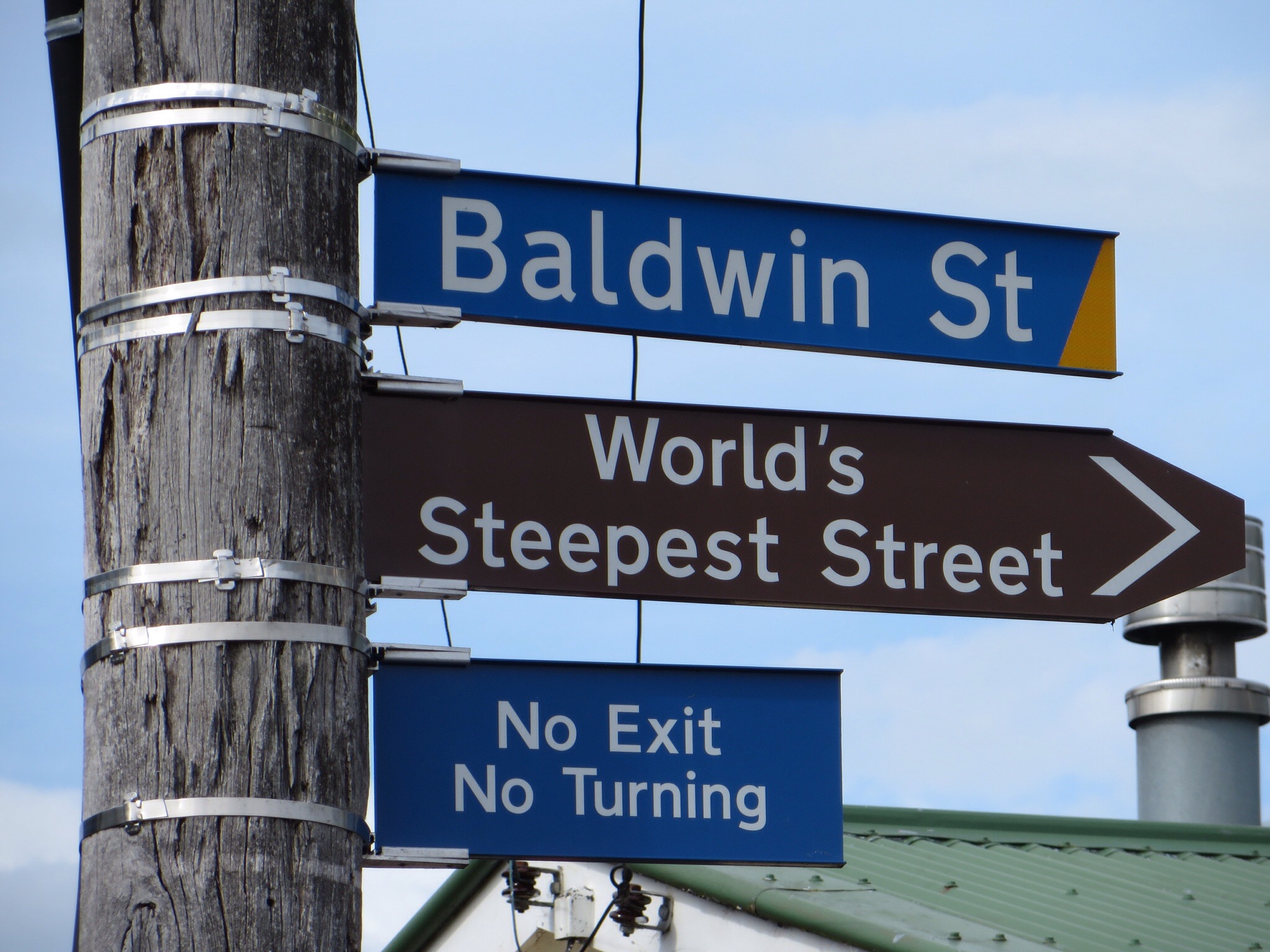
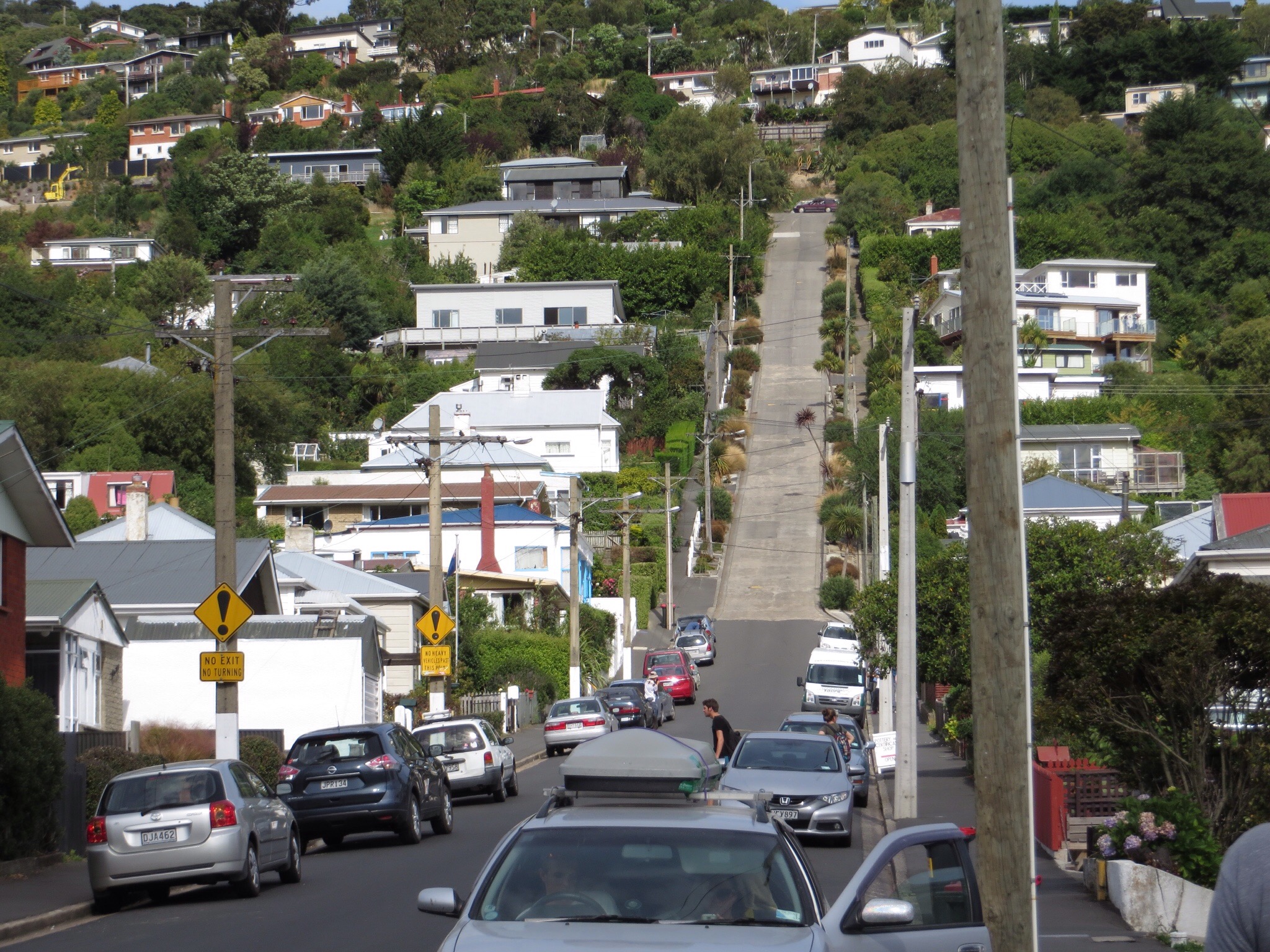
Every city has its own personal charms and Dunedin no less than any other. There is the wonderful railway station for one. There is the Cadbury chocolate factory, a feature so popular, that you have to book well in advance to get a tour. ….. at $25 a head. We didn’t. Book ahead, I mean. That didn’t stop us going in to the “souvenir shop” and buying some souvenirs, i.e. bars of chocolate. Some souvenirs don’t last as long as the memories. Dunedin also boasts the “Steepest Street in the world”. In the world, no less. They also do a pretty good breaded plaice in the pub on the hexagon.

   
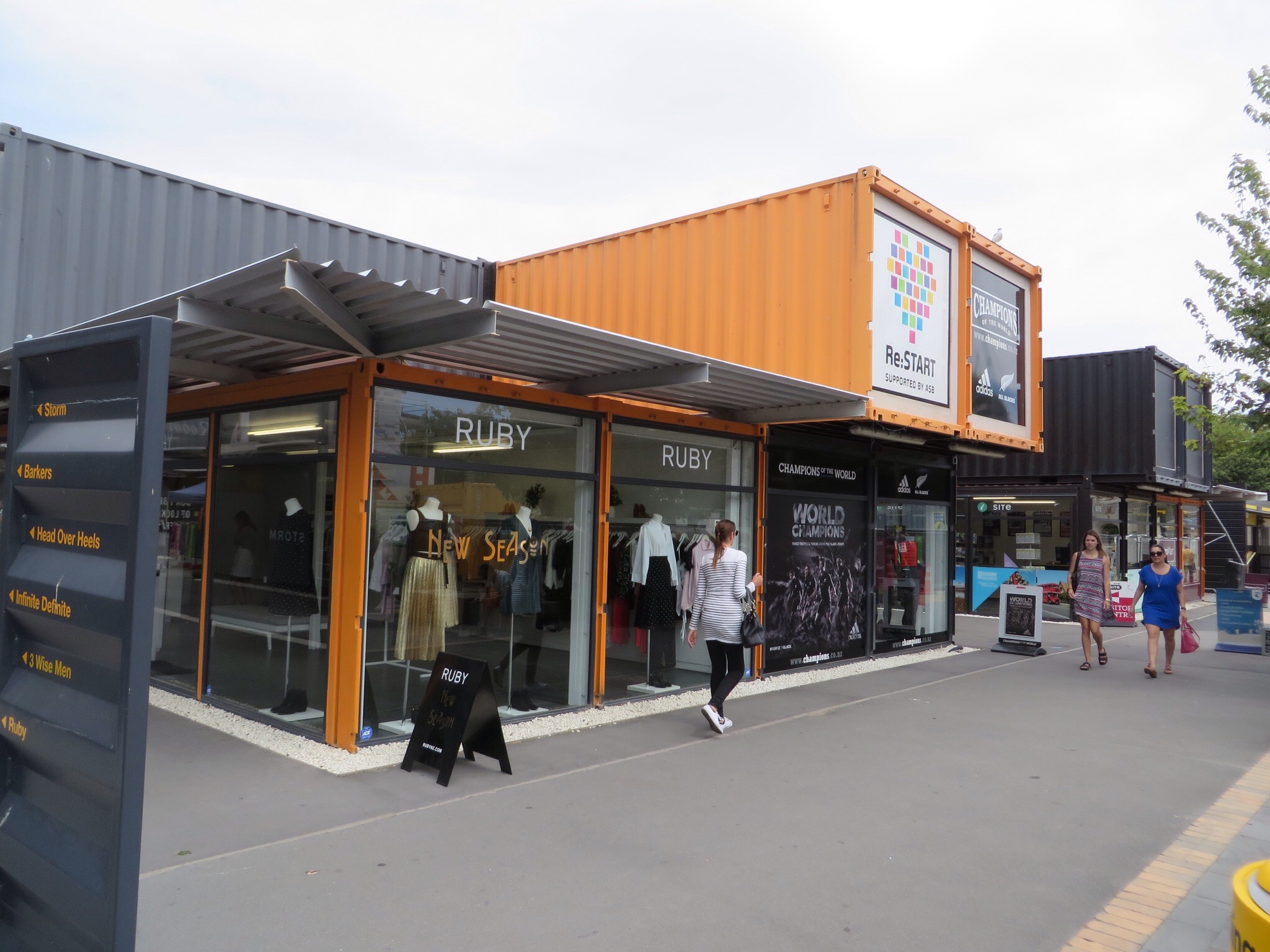
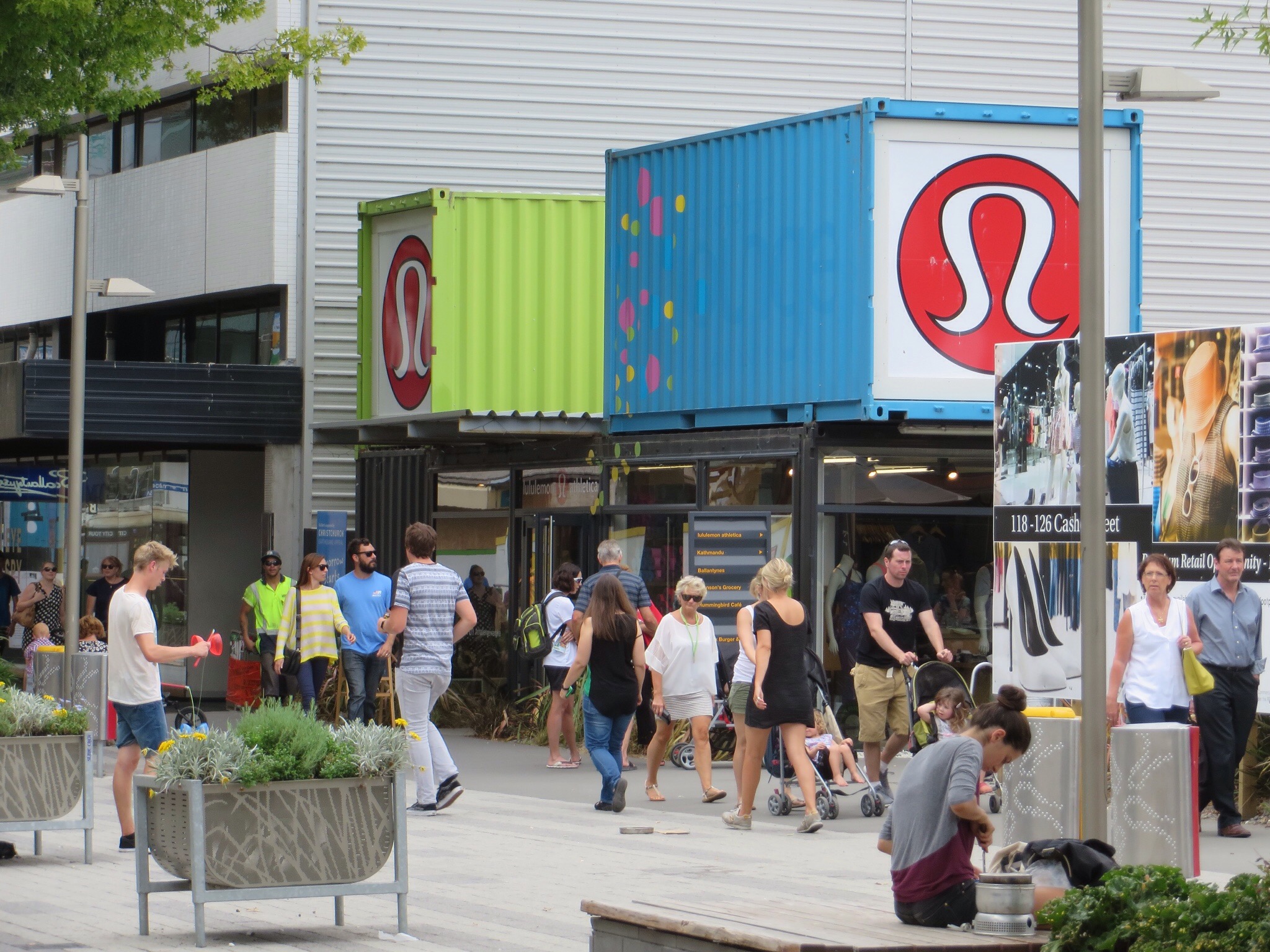
 Christchurch is a different kettle of fish. Whatever it was like ten years ago, a number of earthquakes in the meantime, have stolen its heart. The whole city centre is like a building site. Street after street of construction sites, empty sites or partially collapsed buildings. And all over ….. industrial containers. They are used as containers, (of course). They are used as site offices. They are used to support shaky facades of buildings that have otherwise disappeared. And they are used as shops, restaurants, boutiques and banks. In fact, almost everything a city needs to maintain commerce, is catered for, by the industrial container. Until they finish all that they are rebuilding and decide what else they wish to build, and where to build it. 

   
 Christchurch is a city mixed with sadness and hope, with colour and grey, with an interesting past and a curious future. It is from here, that we say goodbye to New Zealand. It has been great.

Moments in New Zealand

image
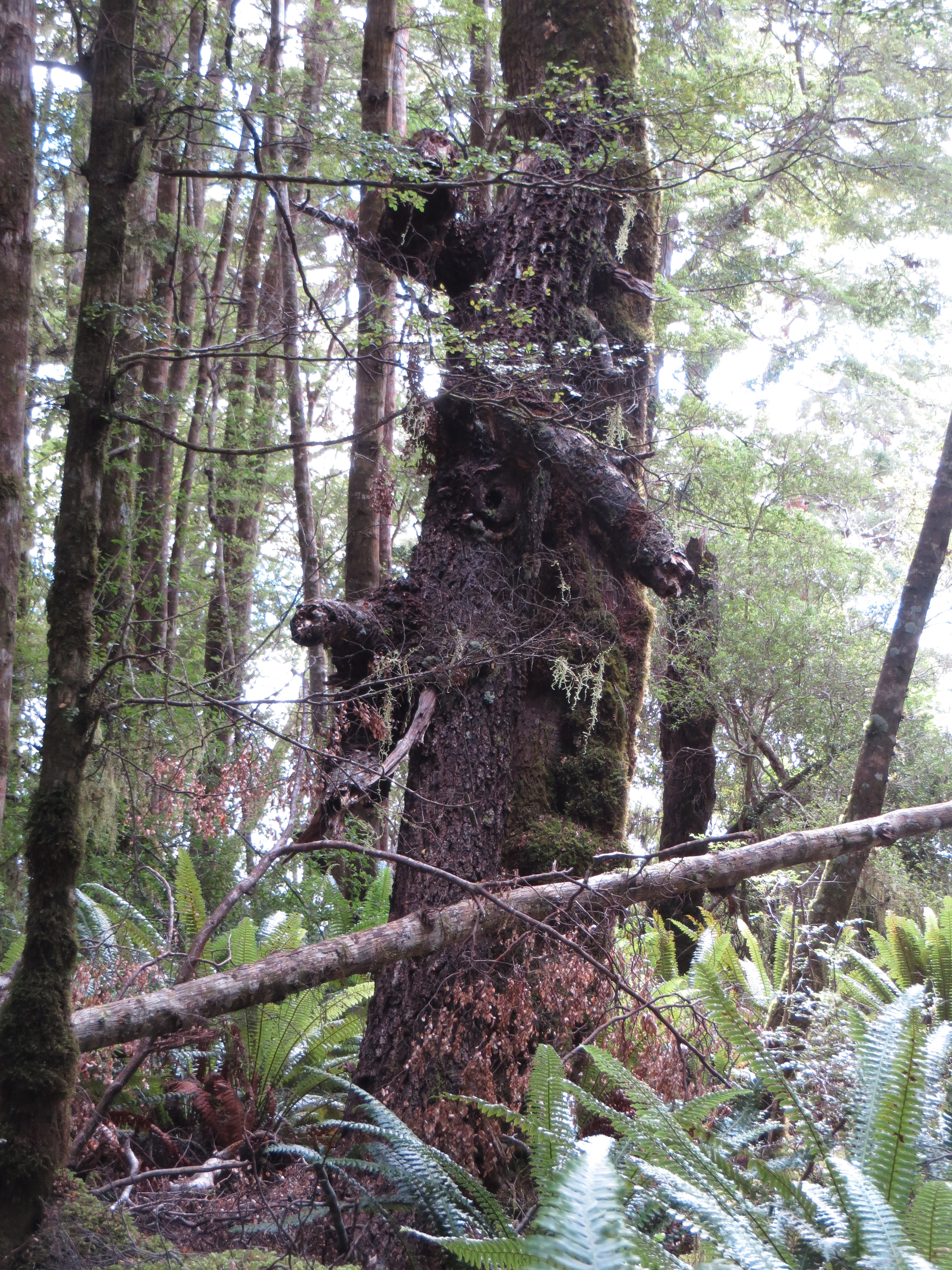
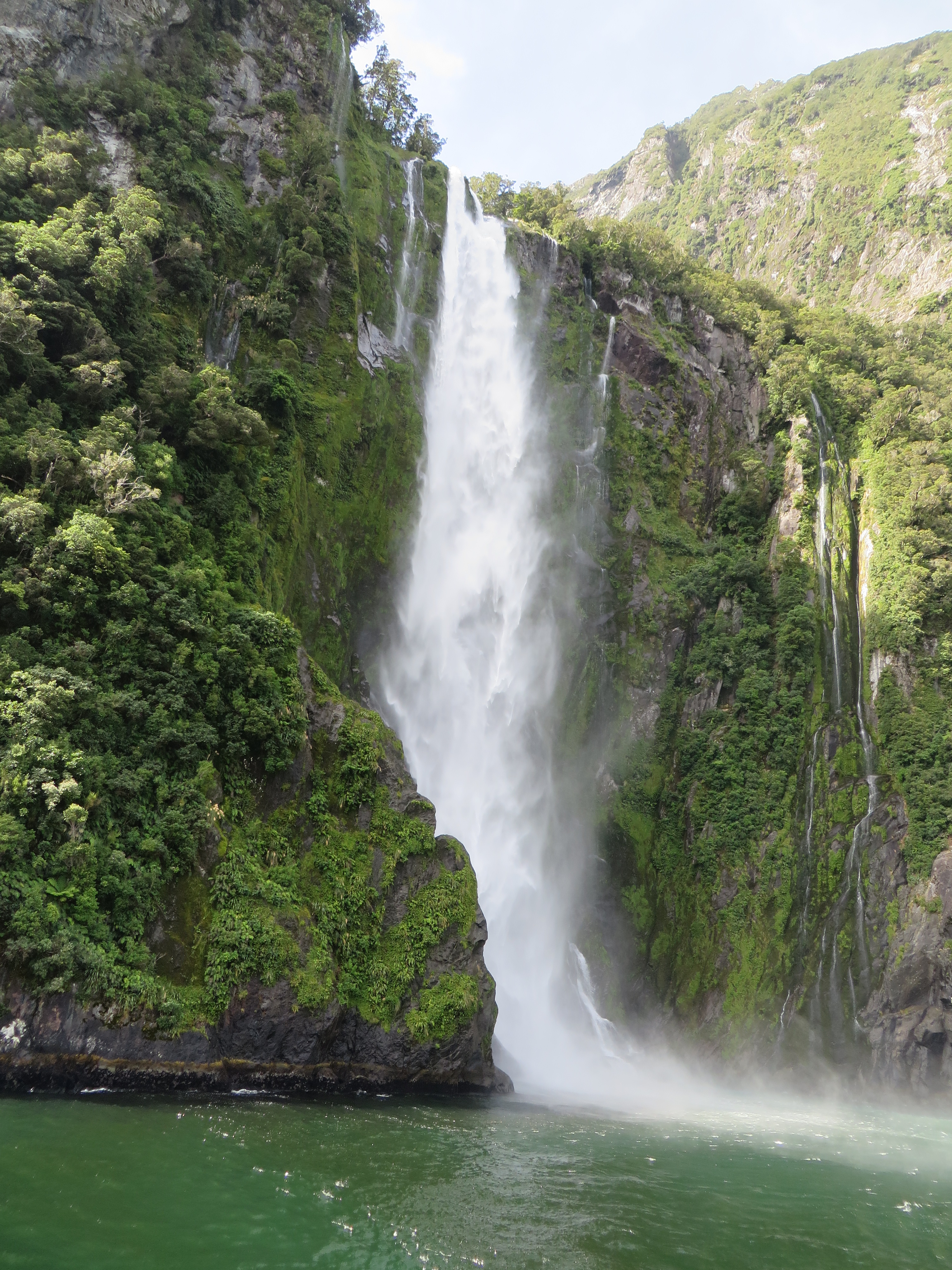
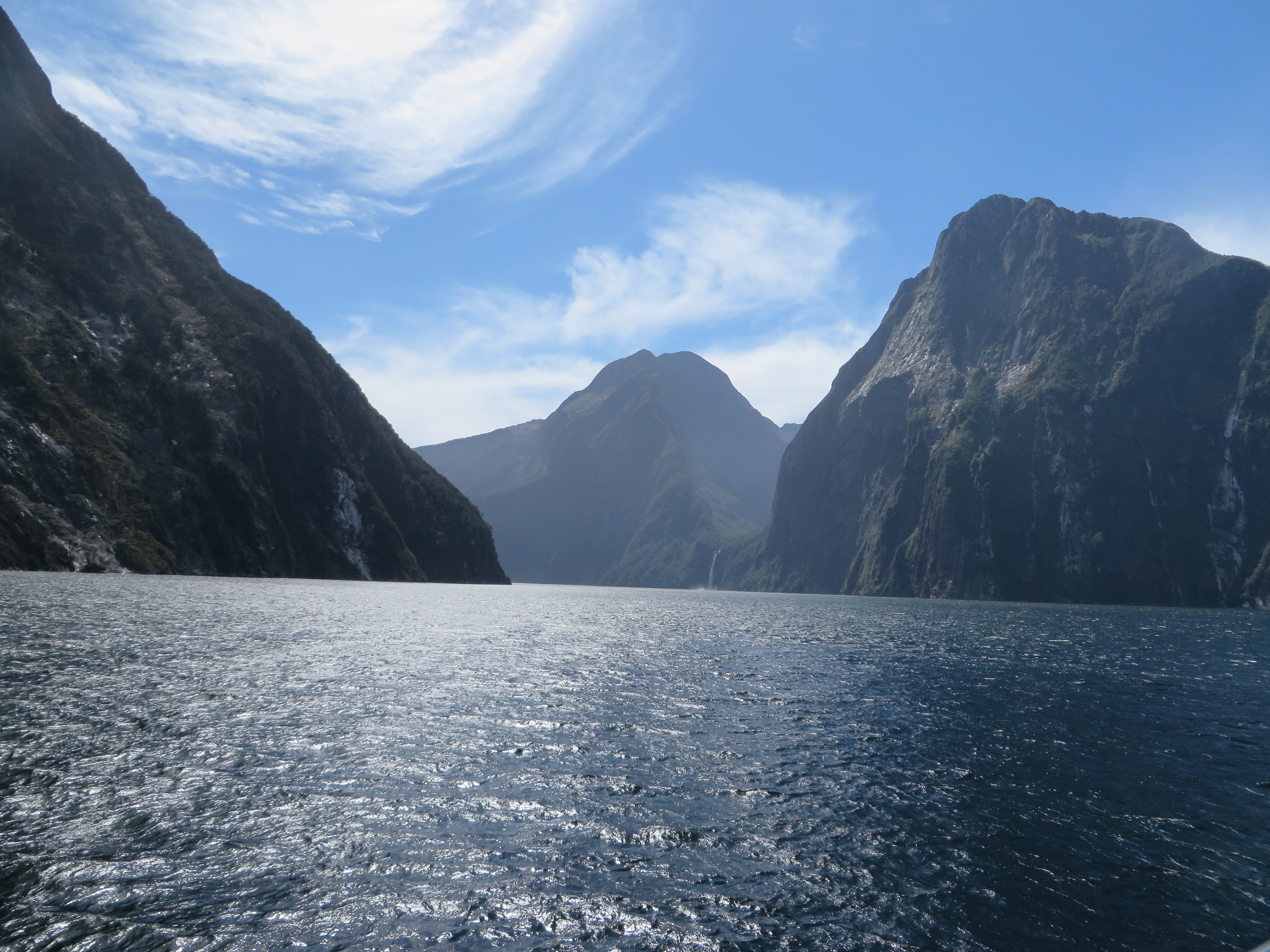
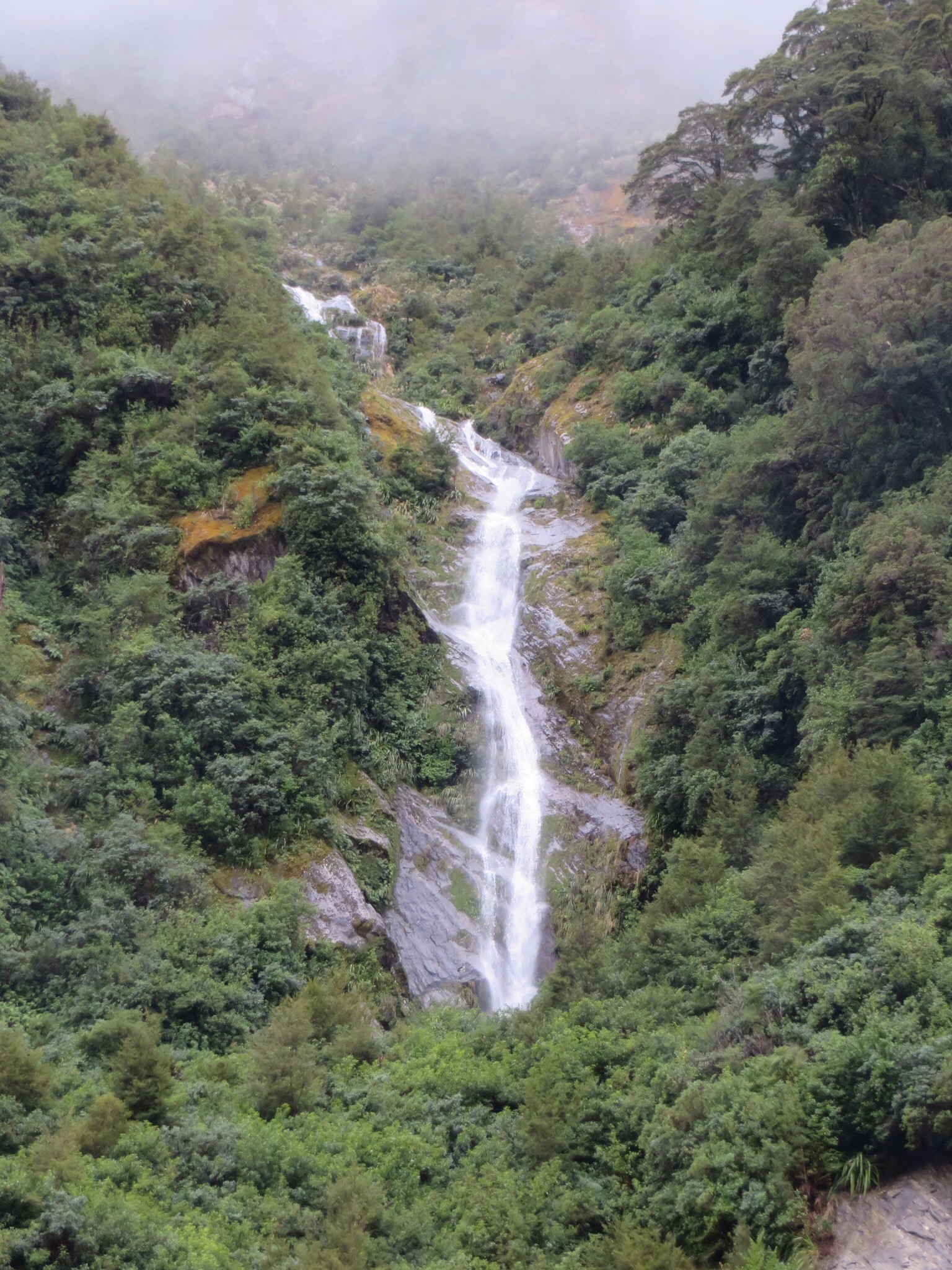
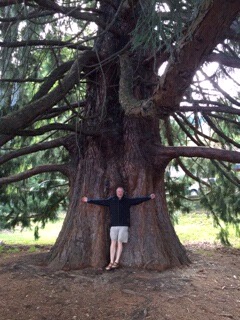
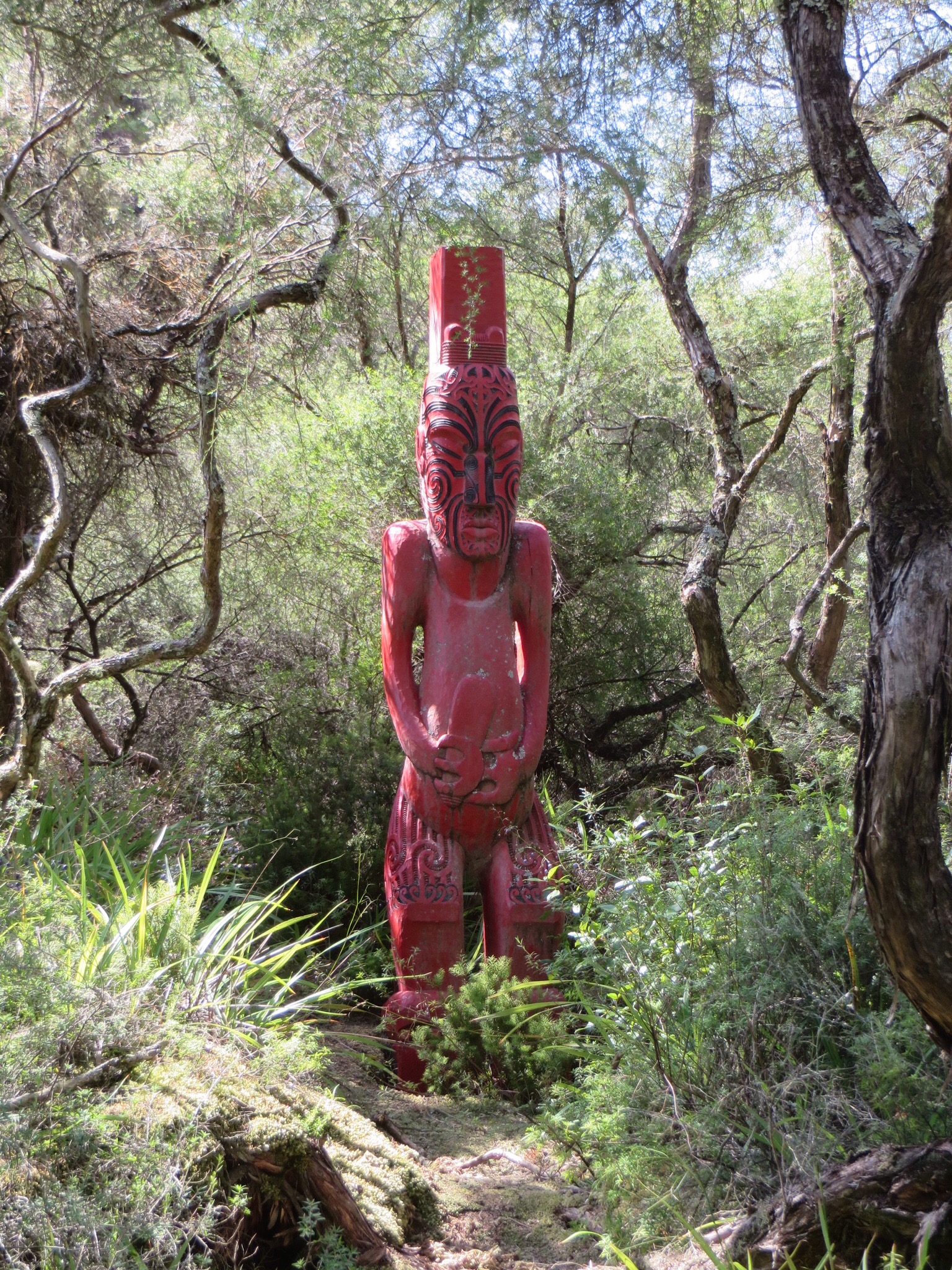
I met this Ent in Fiordland National Park. He was just standing there, watching down the track. He had obviously spotted me from a long way off but never said a word. He lives just outside Te Anau, which is on the only access route, by land, to Milford Sound. The petrol station at Te Anau is run by a Kerryman, who pointed out the road to the sound and sent us on our way. There followed a fantastic day’s boat trip through the Fiord, with it’s high cliffs, spilling waterfalls and long, winding passage to the Ocean.

imageimage
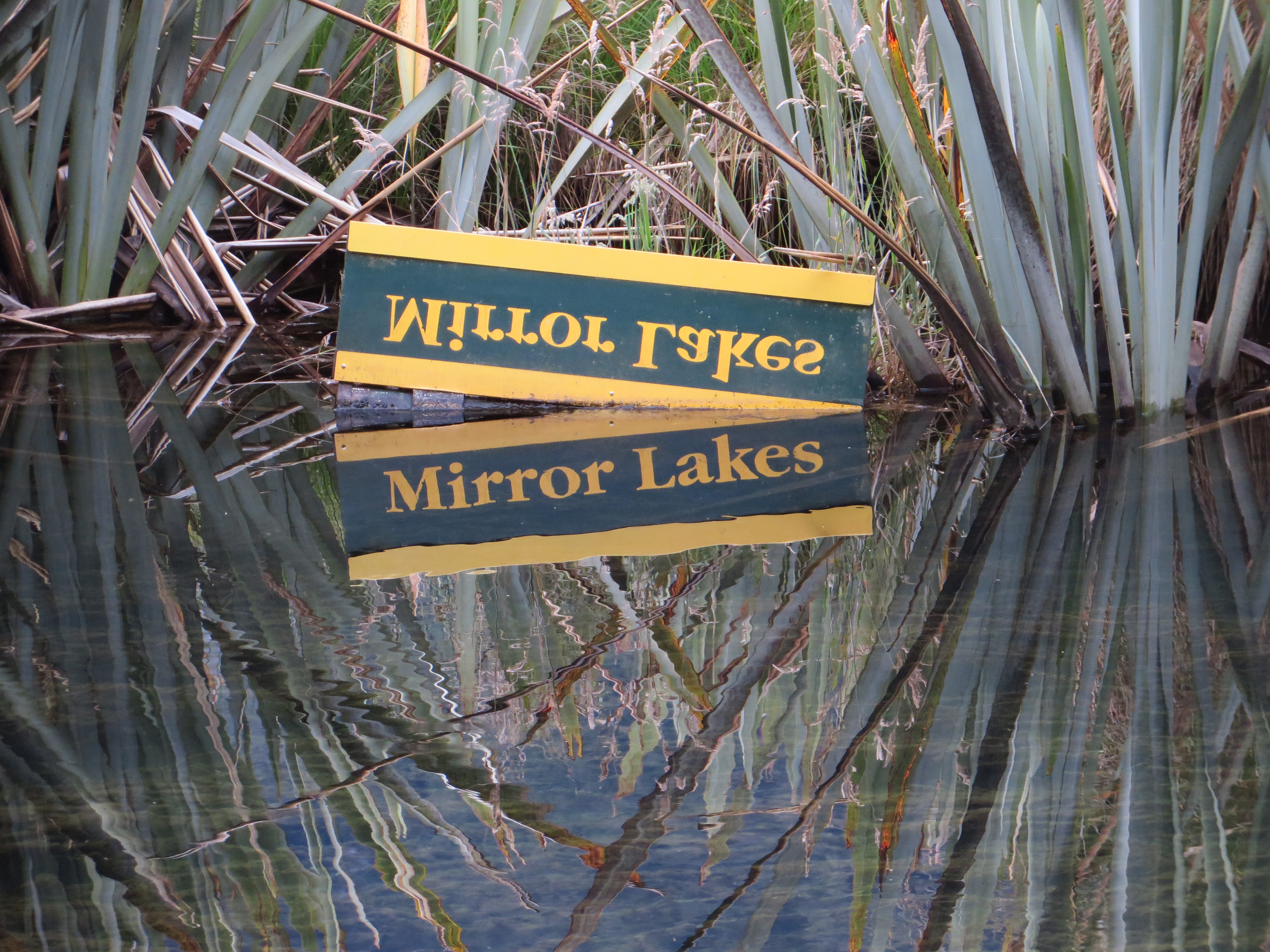
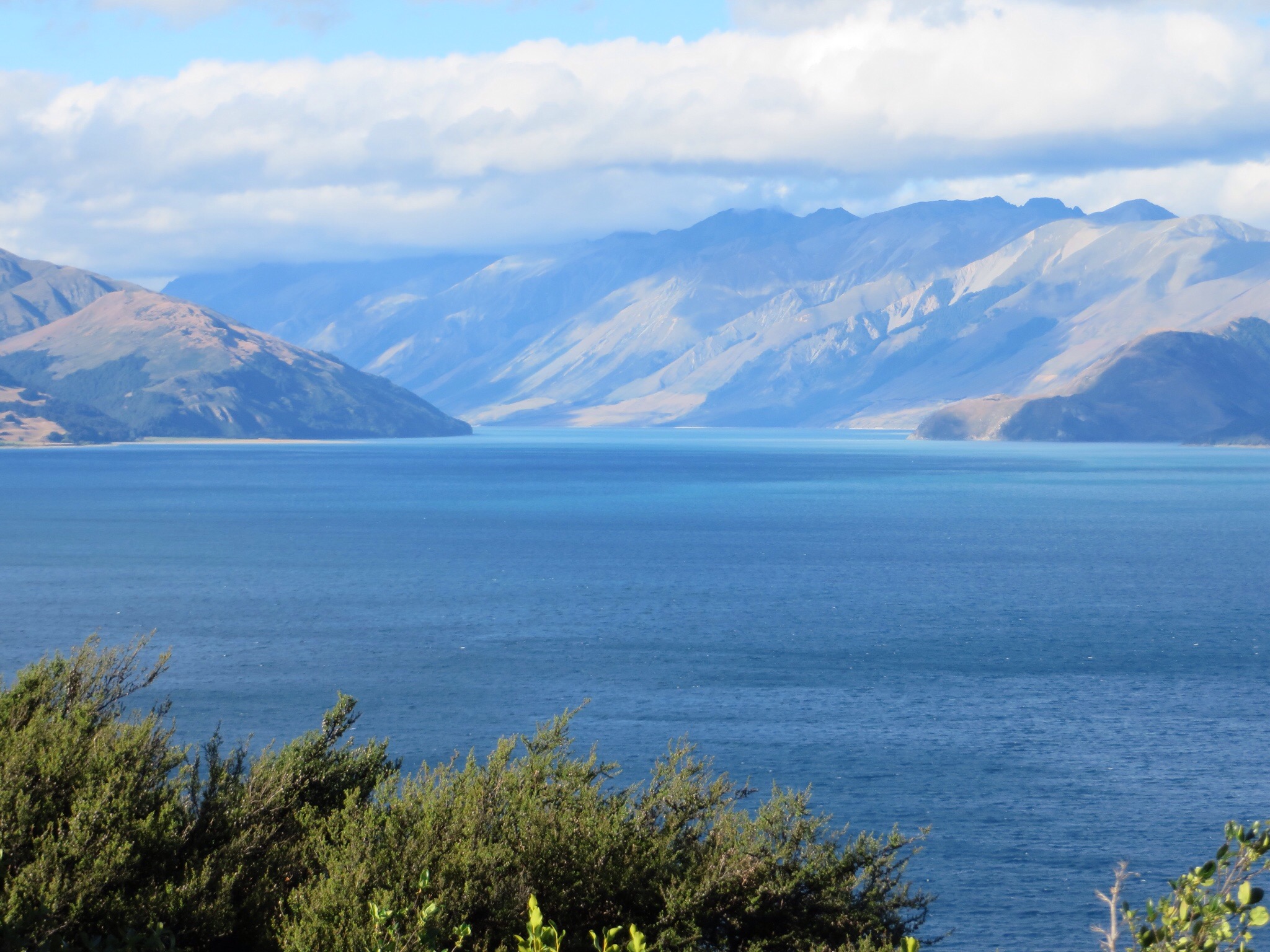
Leave the ocean, with its swells and pounding seas and a short drive through a mountain tunnel leads us to waters so still, their known as the mirror lakes.

image

More interesting animals:

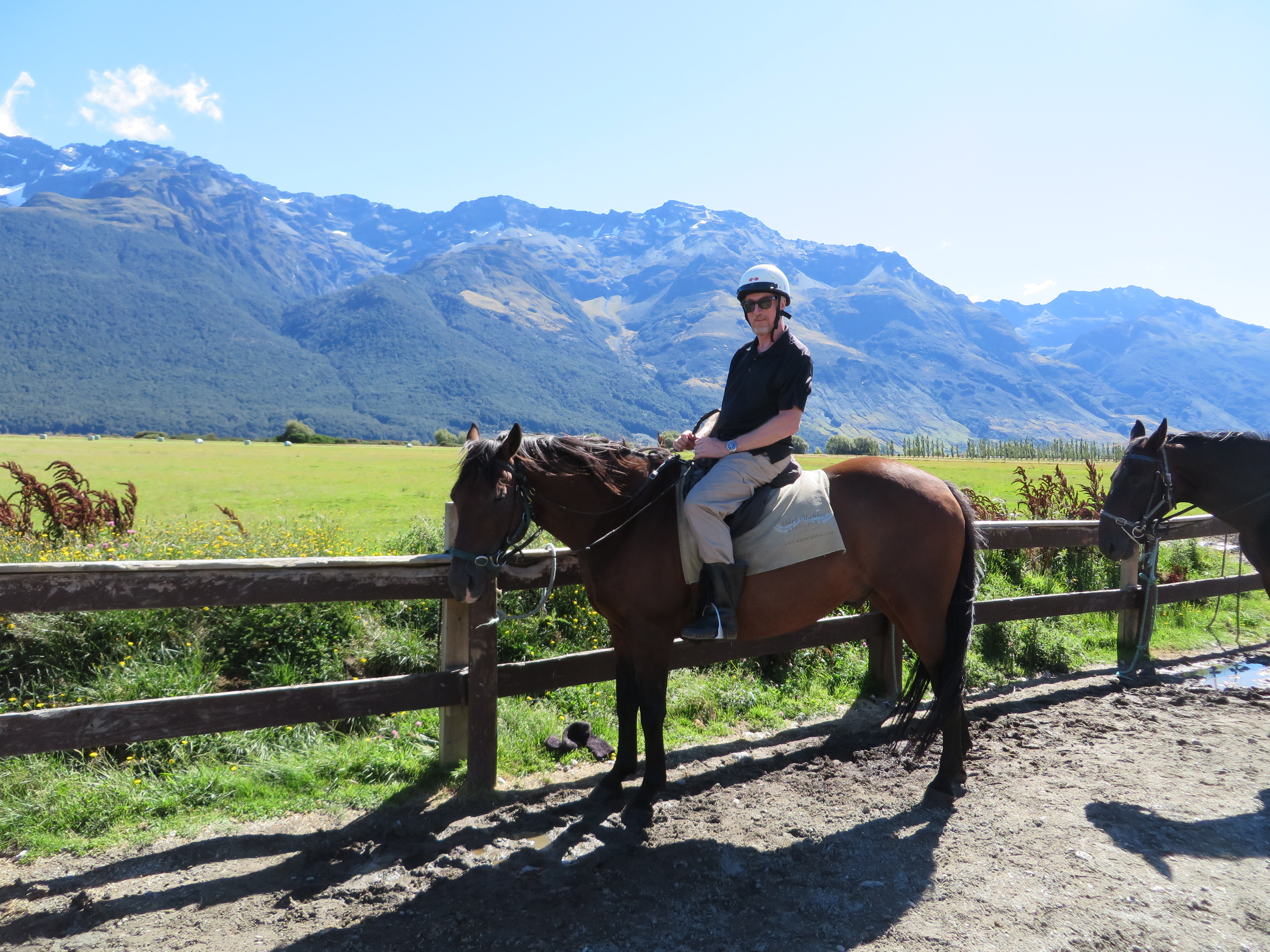
My faithful steed Court, who took me galloping across the plains of Glenorchy. Well, not exactly galloping, more like a cantor. Ok, a quick trot. Oh all right, he walked very slowly.
A seal who lay in the middle of the path pretending to be a rock, until I nearly tripped over him.

image
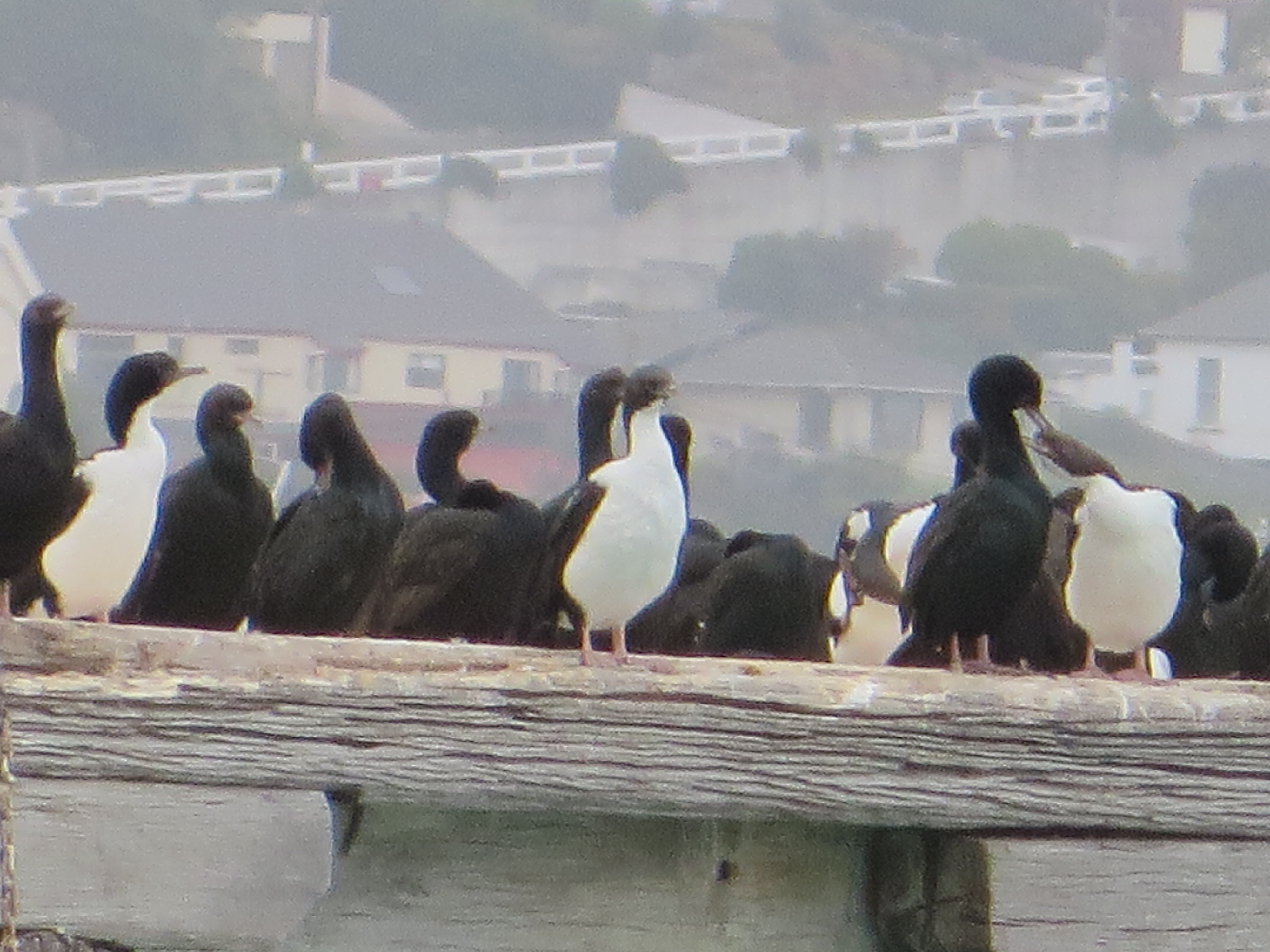
And of course, penguins. Plenty of penguins. All scurrying about in a fluster. It was like saturday night at the convent supper.

image

It’s more than just the All Blacks. Definitely!

It’s time to take a look at my visit to New Zealand. Now, that I’m at its final hour. Now that I’m leaving. I’ve written nothing since arriving on the South island almost two weeks ago and in that, I have been remiss. It is just that I’ve been trying to take it all in. It is enchanting. It is absorbing. And it is distracting.    
   
The lovely city of Wellington was our final stop on the North island. It was my favourite of the New Zealand cities, though I confess that that judgement is unfair, as I had little time in any of them. Still, Wellington is very charming. It is lively, bustling, bright and scenic. We climbed to the high lookout point in the park, for it’s views over the city, the bay and the surrounding hills and countryside. There is a wonderful museum, with good cultural and historical background, (though history does not go back very far here), and a superb exhibition of the New Zealanders role in the Gallipoli campaign of the Great War, as part of the centenary commemorations. We strolled the streets, supped the beer and played an open mic session. Good times. We took the three hour ferry sailing from Wellington to Picton.

   
 We had been told that the South island has a special beauty and indeed it has. It also has rain. Yes, the weather took a decidedly moist turn just about here, but not before we had a delightful afternoon on the beach at Motueka. Full of clams and kayaks and children poking in the rock-pools and waves splashing and lots of sea sidey stuff. 

Over the next day or two, we had some pretty heavy rain. So much so, that visibility was low and access to the glaciers was closed. But once we crossed the mountain pass into the lakes area, we suddenly left all the rain behind. The skies cleared, the sun came out, the road twisted, and we came out among the lakes, to an unexpected and welcoming landscape and a pleasant drive down into Alexandra. We just got there in time too! It was the annual final of the local karaoke competition. We met some wild characters, made some new “best friends”, (almost), and even heard some great karaoke singing. Well, some karaoke singing.  Well, some karaoke.


To be continued………………

The Tongariro Alpine Crossing

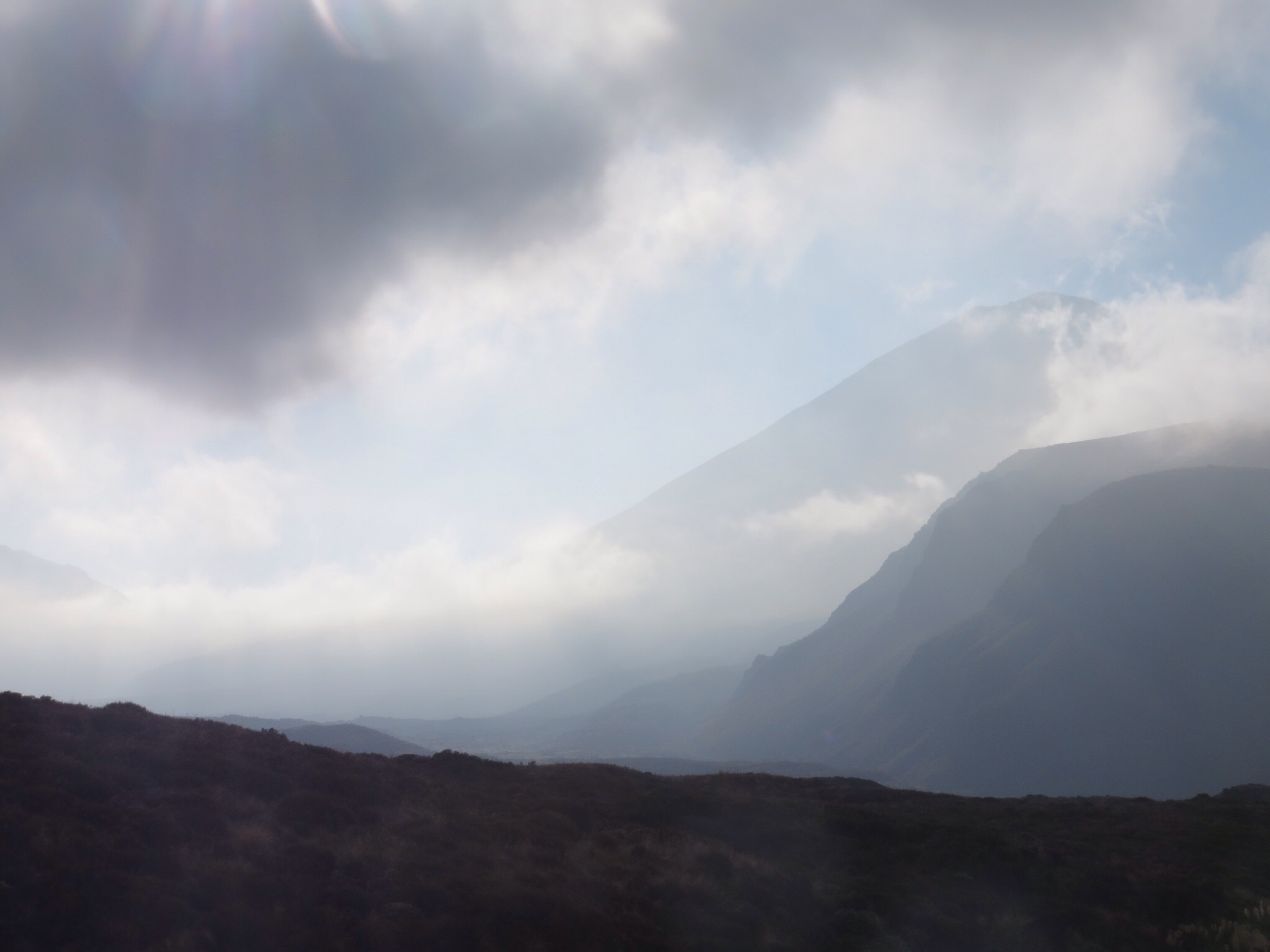
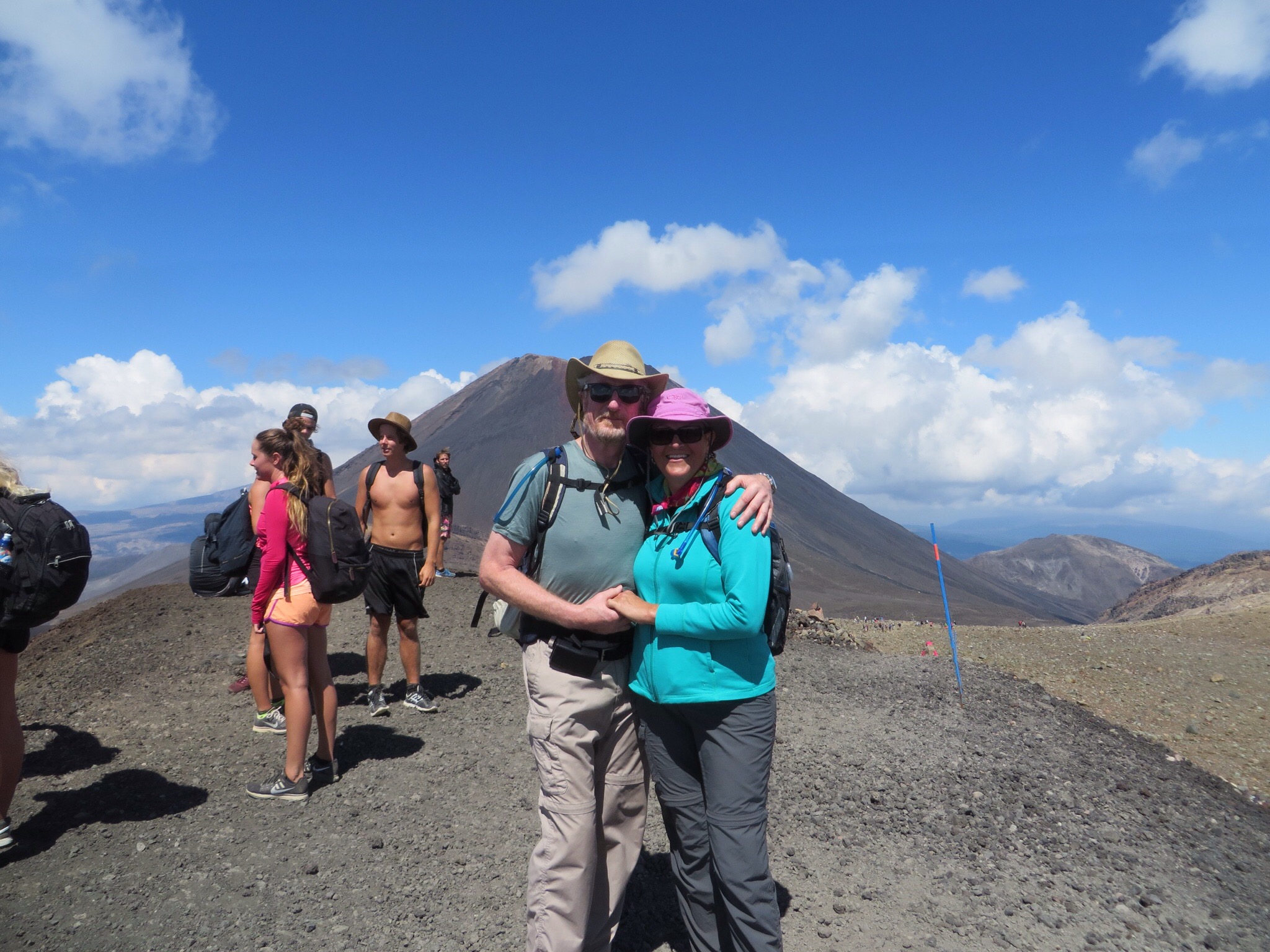
The morning started overcast. In fact, the low lying cloud made for fog and we drove slowly, with headlights, and picked our way along the narrow winding road. We stocked up with some water and other trail provisions for a days hiking, at the petrol station shop, shortly after it opened at 7am, and headed into the national park. We had to drive about 30 minutes to the end point of our hike, leave our car there, and pick up a shuttle back to the start.   
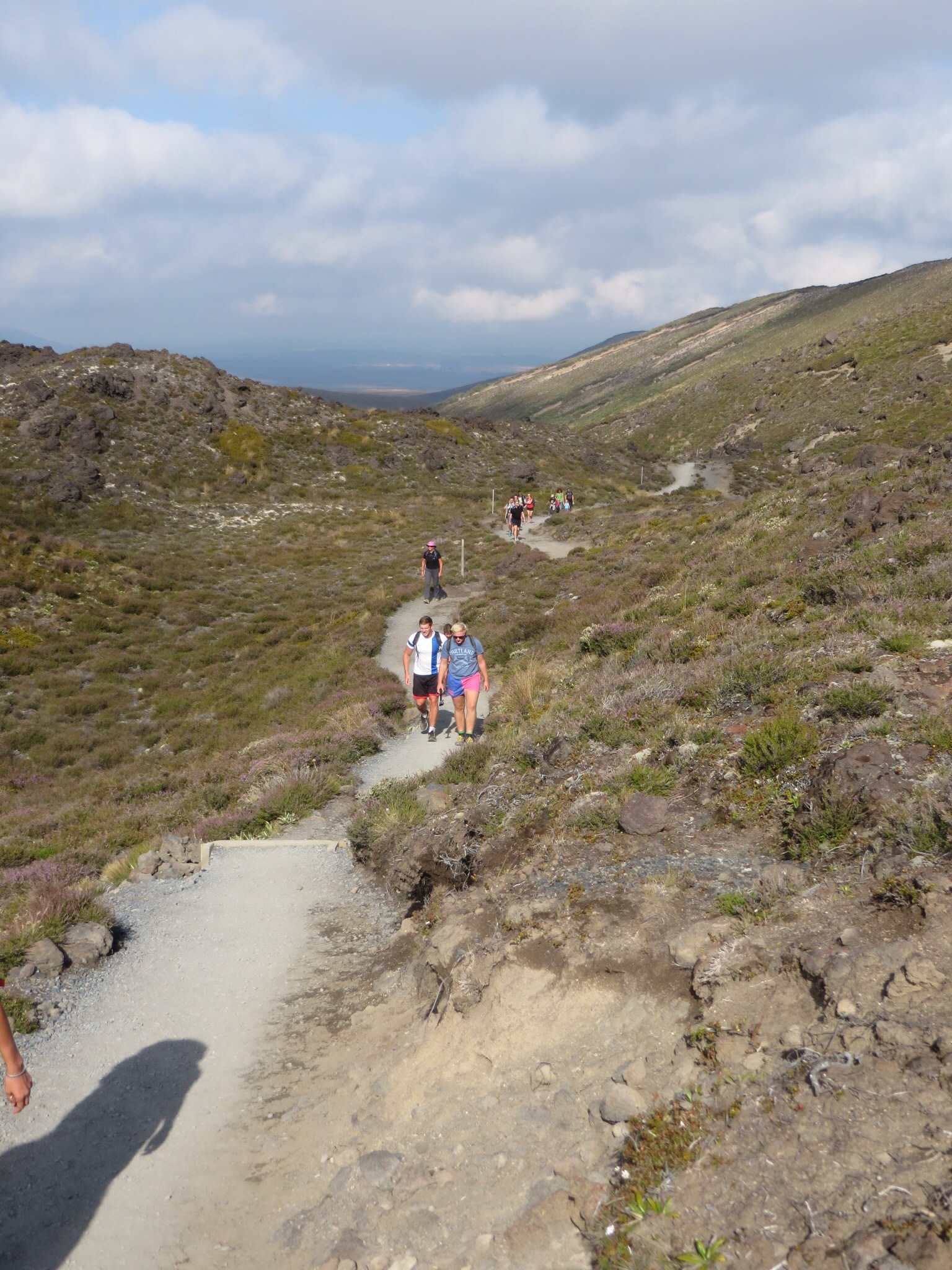
 I have to say, I was concerned, heading out into that wilderness. I did not have proper Ordnance Survey maps and obviously, I had never been to the area before. I was assured that the track was clear and, “You can’t get lost”. Sure, I thought ….. Famous last words. As it turned out, I felt a bit foolish with my concerns. The shuttle driver told me that it was a quiet day. There were only about five hundred people on the mountain! Five hundred!!! It was a little like a parade. And all going the one way. “Lost”, was not going to be a problem. 


Crowds aside, it is one fabulous hike. The first section to Soda Springs took exactly an hour. I could describe the area as an empty barren land, but that would not do justice to the beauty of the place. Yes, it is a pretty barren, dusty, volcanic region. There is no wild life and hardly a bird to be seen. Yet, the vast, dark, rock strewn expanse has it’s own magic. And the further you move into it, the more you become part of it. 

    
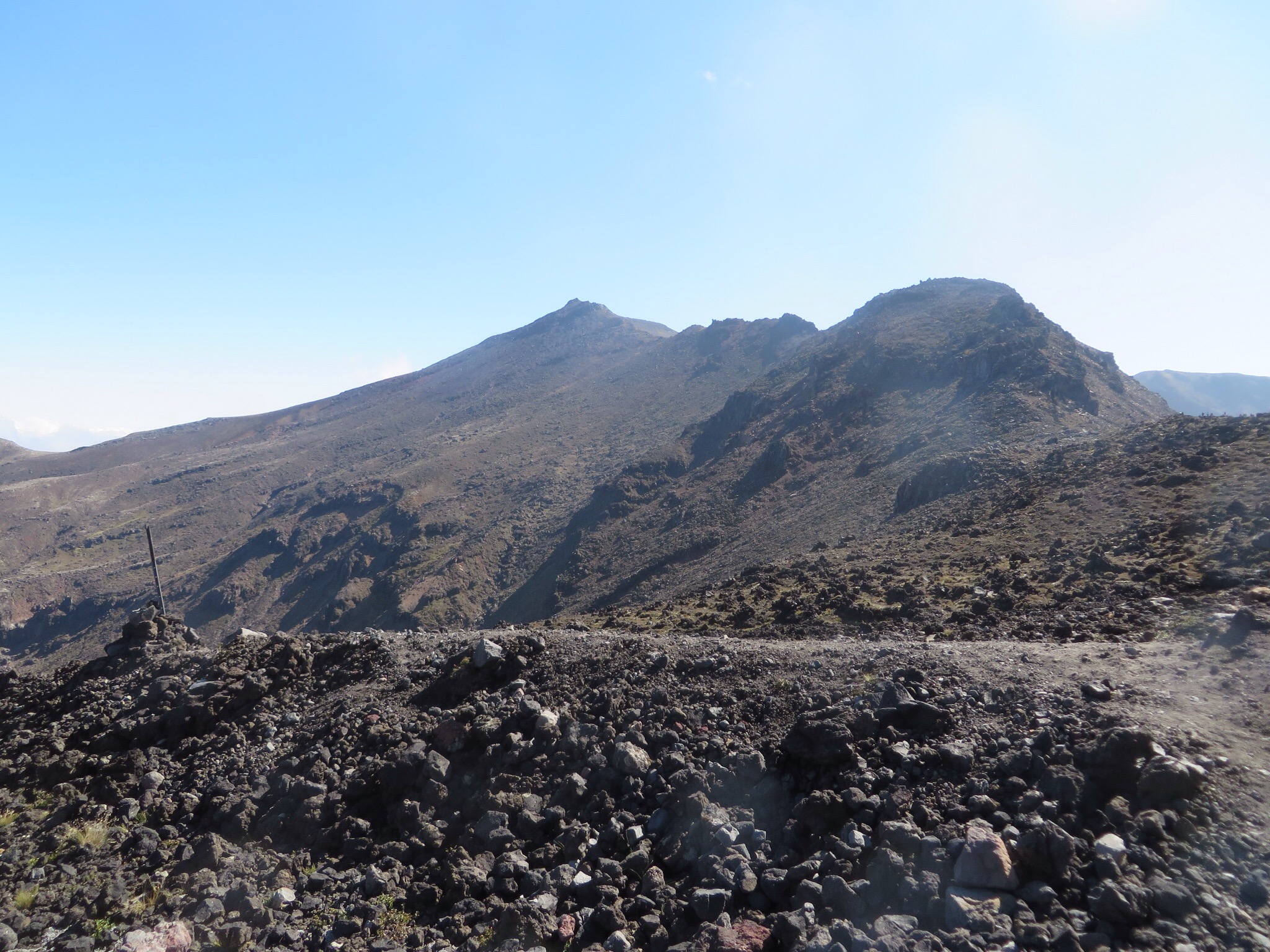
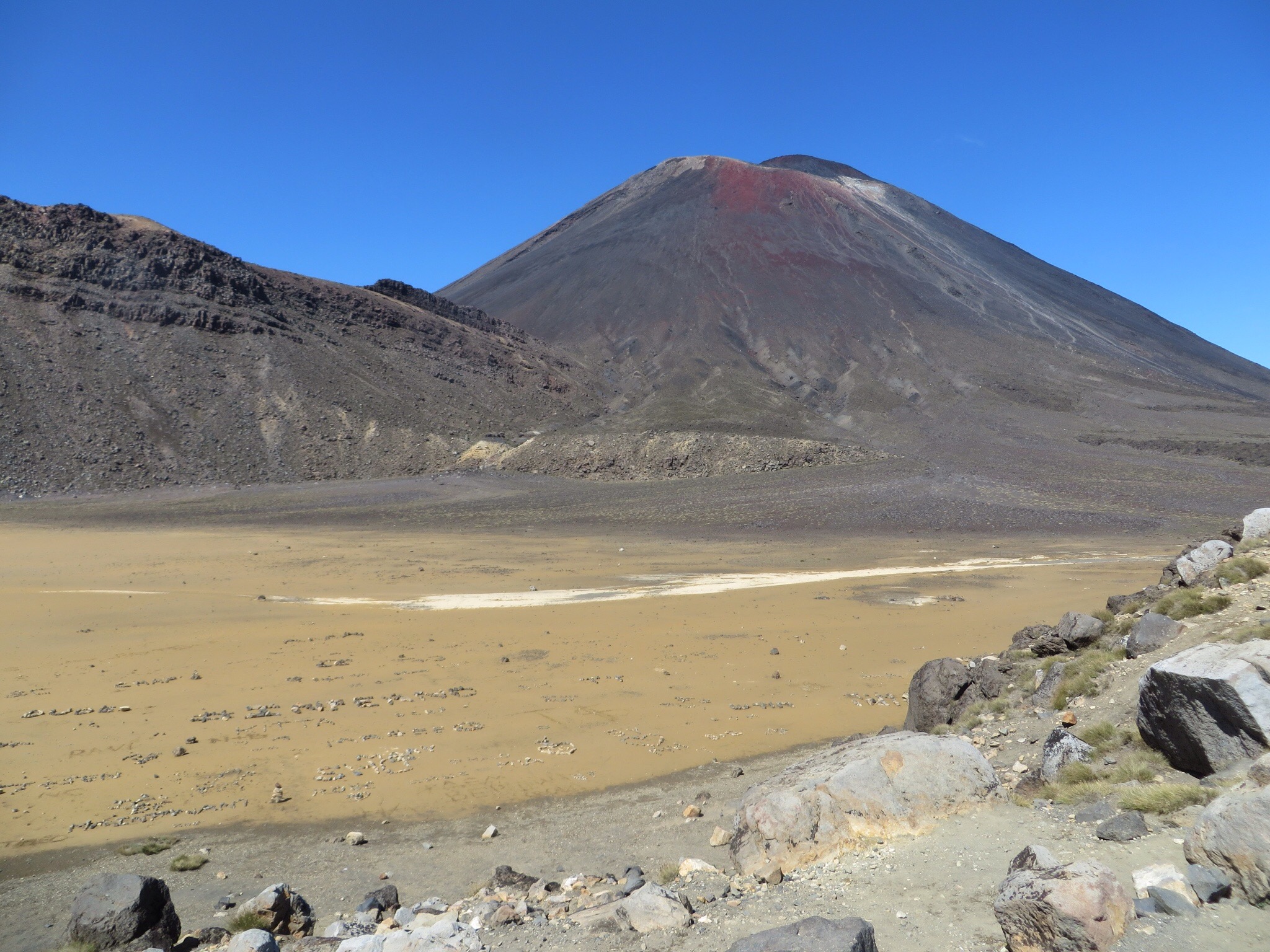
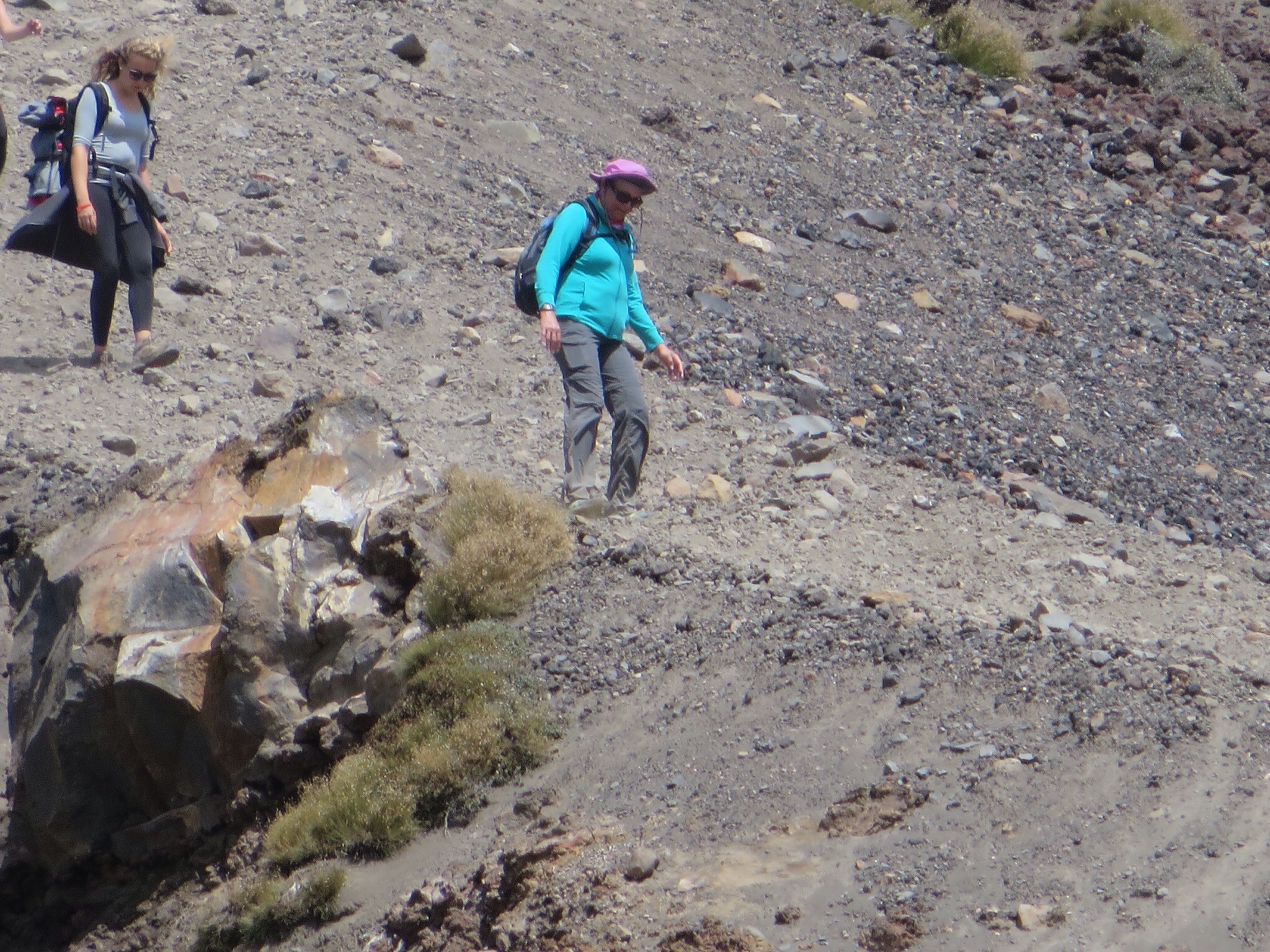
After a relatively easy first hour, we started to climb. The rise to South Crater is steep. It is dusty and loose underfoot. And it is hot. It is worth the effort though. The valley floor opens up below and behind, to reward us at our frequent, (very frequent), pauses. We cross the south crater, a wide, desert like, yellow disc, that looks like it was left here by gods of an ancient time. Then a second climb. Steeper. Dustier. Looser. Arriving at the top, all tiredness and care is lifted with the site of the Blue Lake. This beautiful lake, set high and strange in this barren, volcanic mountain, is stunning. A most magnificent spot to stop for lunch. 

  
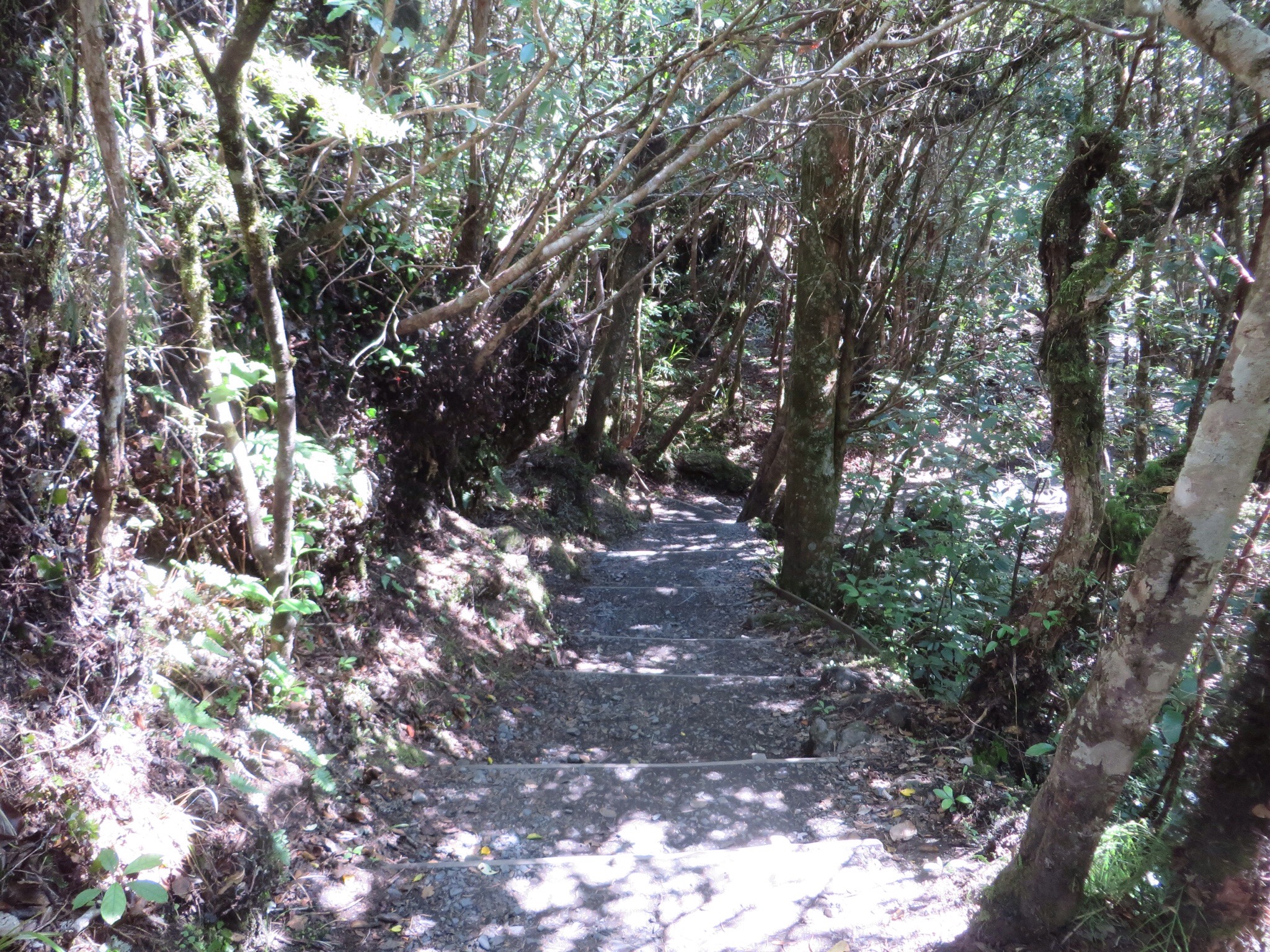
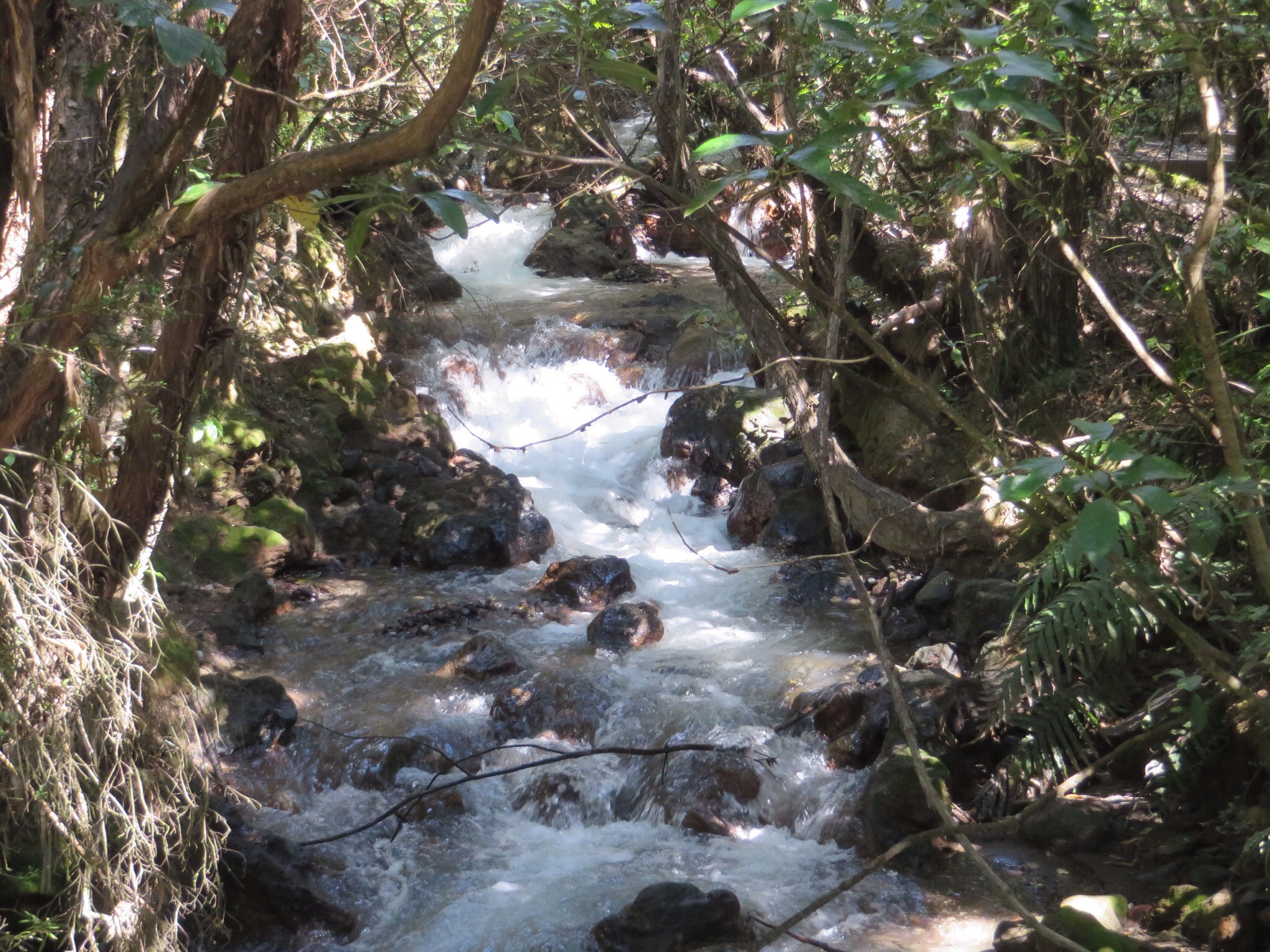
Half an hour later, we move on. We begin our descent, down a steep and very slippery, sand and scree track, by the Emerald Lakes, (sulphurous and very smelly), through the mountain pass. Once through, the whole landscape changes. A zig zag route for several miles through bush, leads down to a lovely, cool, green forest trail. It would have been worth coming, for this part alone. It delivers us, after a couple of hours to the trail end and our car.

  
A fantastic hike. A fabulous day. An unforgettable crossing. 

   
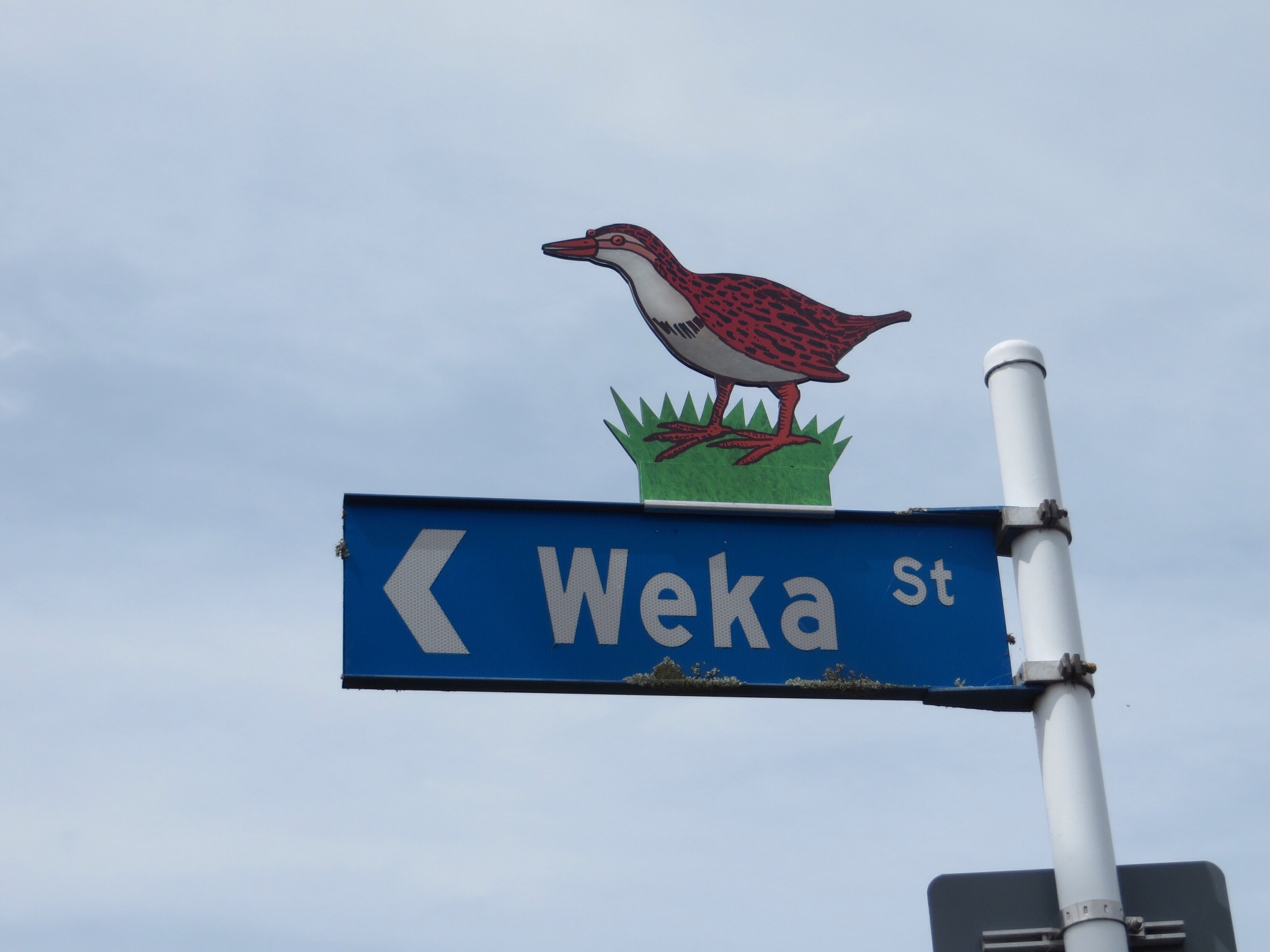
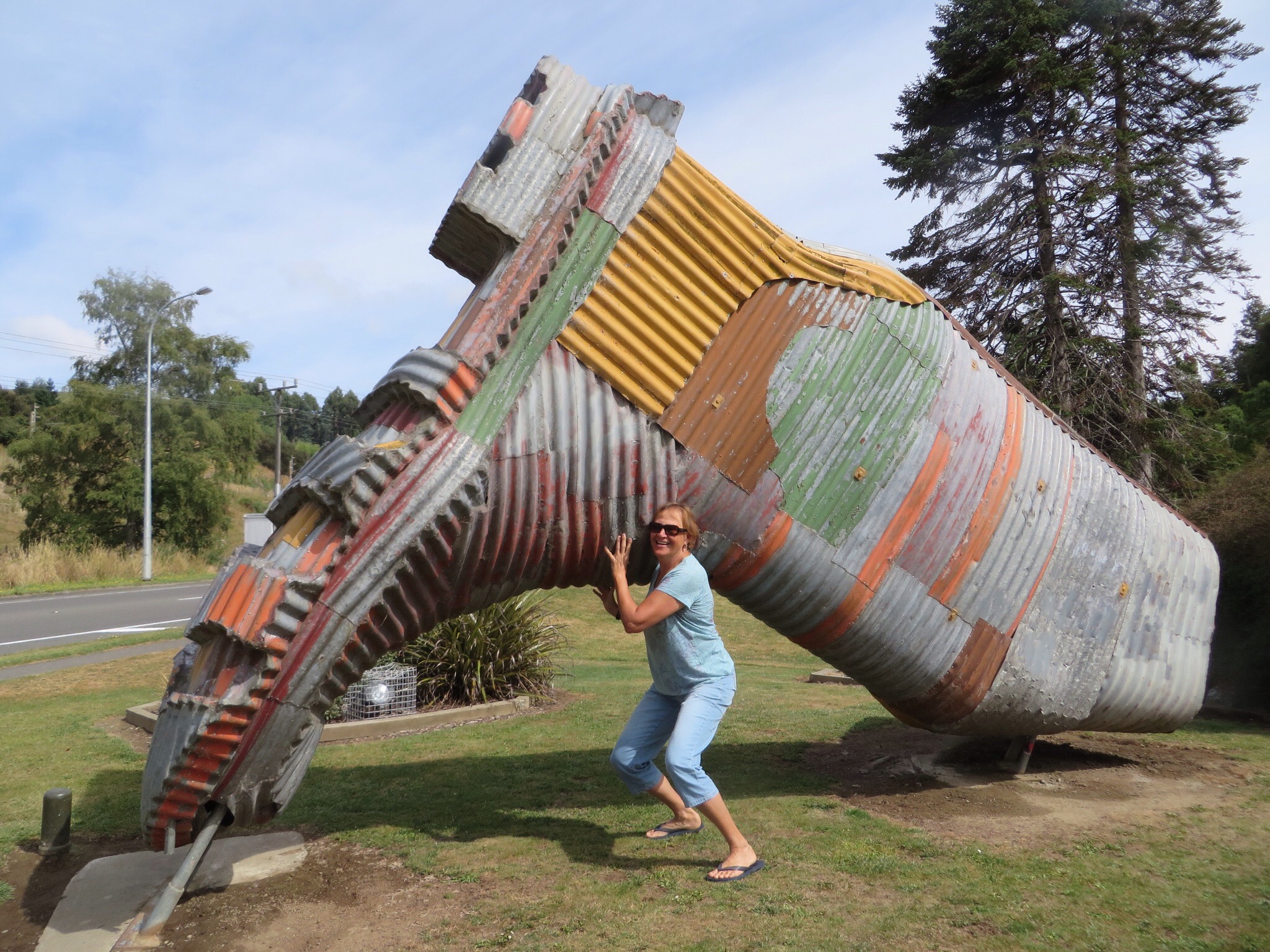
 Back to the car and on to Taihape for the night. It seems to be the home of the Wellington boot! No! I have no idea why either. It also has streets named after birds, with the appropriate bird on each signpost. How nice is that!

Hobbits and Cave trolls

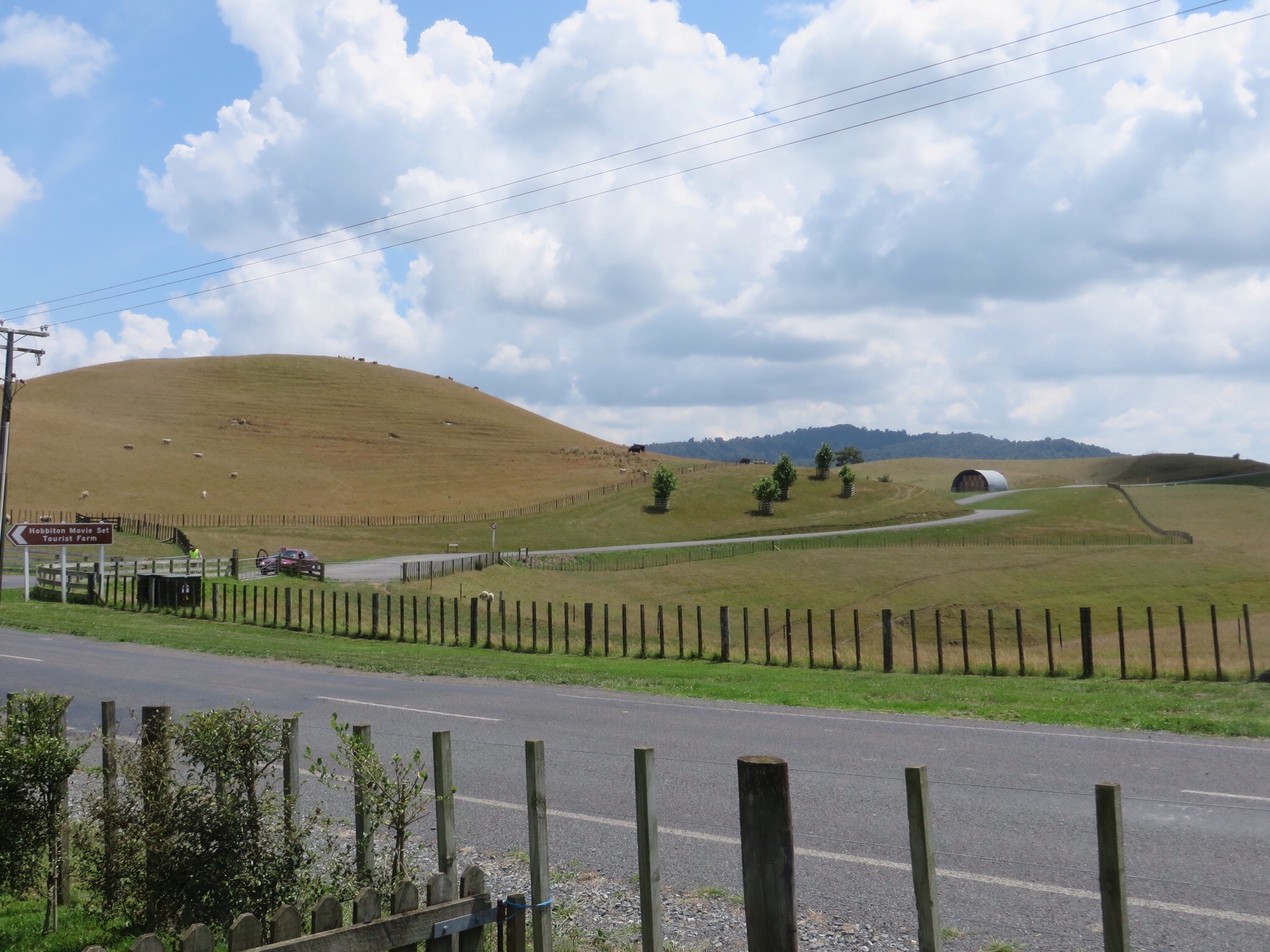
I have to tell you that I’m a Tolkien fan. I have been since I was seventeen. Fully paid up. Read all the books. Not just the ring trilogy and the Hobbit, but Unfinished Tales, the Silmarillion, the Children of Hurin, etc., etc., right down to Tree and Leaf, and Farmer Giles of Ham. I’ve read them all. I’m a fan. So being in New Zealand, it’s hard to pass, on visiting various sites, where the films of the Hobbit and the Rings were made.     
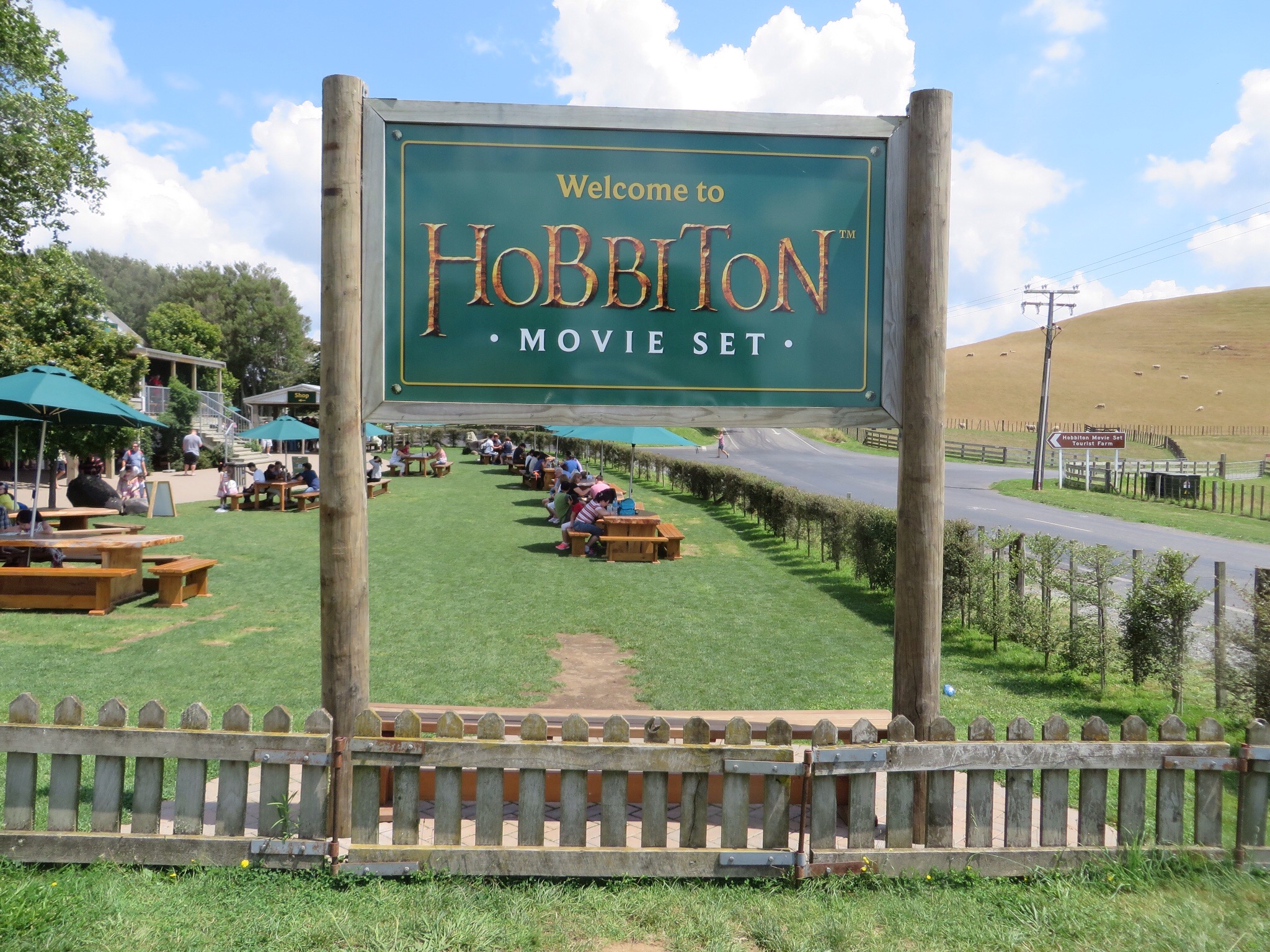
 For this reason, I took Vicki and myself off to Hobbiton, the site of the filming of the Shire village scenes. The countryside all around is exactly as you might have imagined the Tolkien Shire, even though it lies at the opposite side of the world to where his books were written. What I did not know was, that if you wish to visit this site, you will need to book far in advance. We arrived at 11.30am, to discover that the next available tour was 4.30pm. The decision not to bother was instant, even before I found out that the entrance fee is $79!!! I satisfied myself with a coffee and muffin in the cafe and a look around the souvenir shop, where you could buy an elven cloak, (not really elven, you understand), for $900!  

  
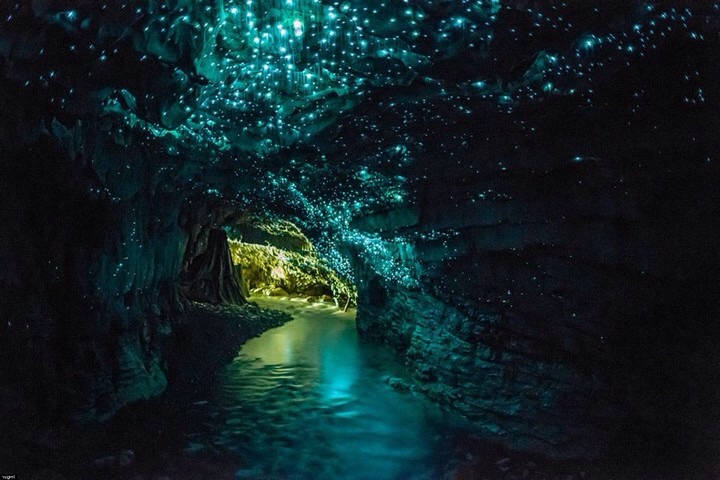
Off to the Waitomo Caves instead. Real caves. Real stalagmites and stalactites and real Glow Worms. Thousands of them. Lighting up the otherwise black dark cave ceilings. Beautiful. 

   
 From there, we head for National Park, (that’s the village name and yes, it’s at the National Park), for the night. I expect a good day’s hiking tomorrow.

Culture and steamed corn

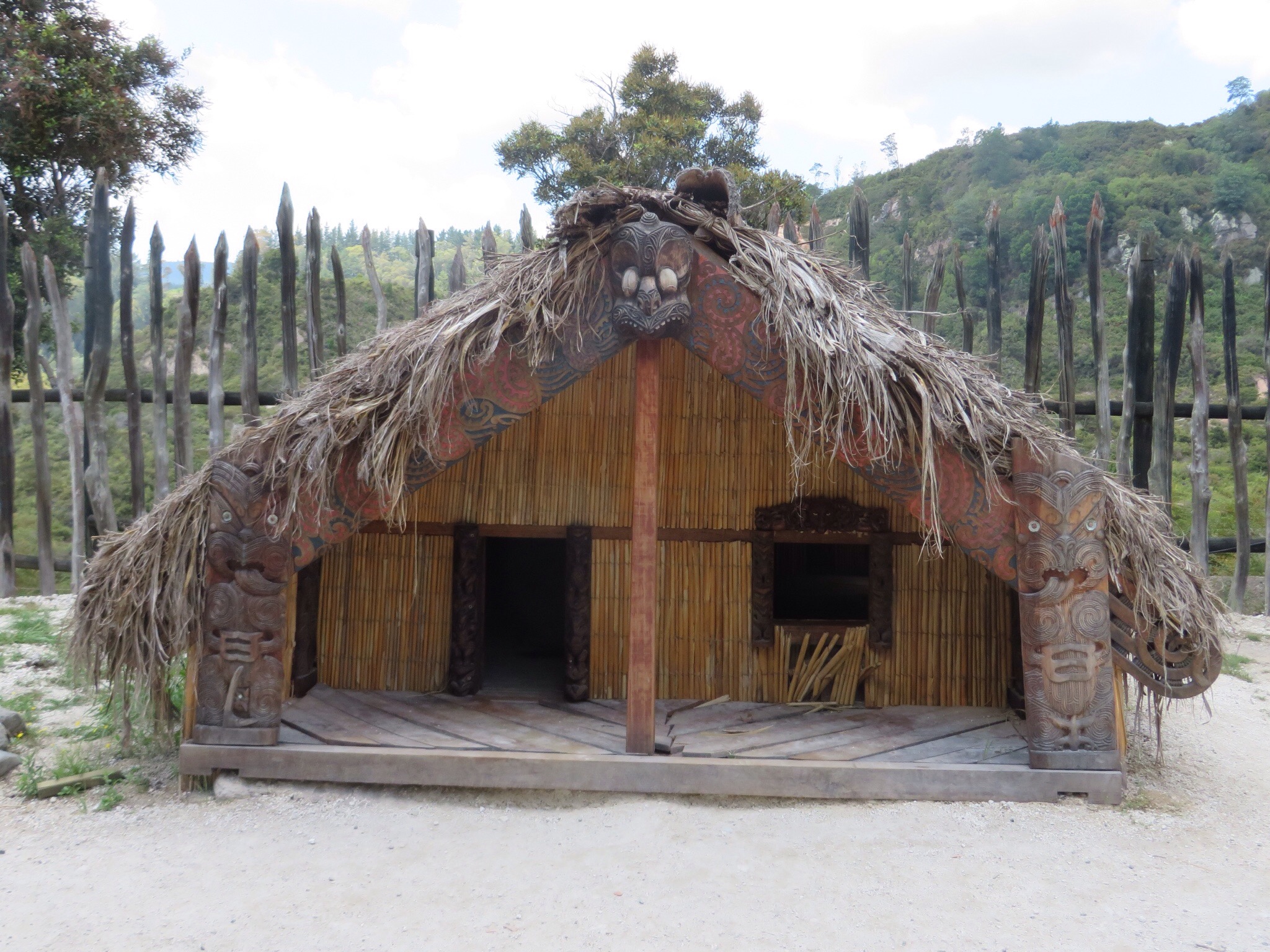
The Moari people arrived in New Zealand in 1250, 1350 or 1420, depending on which source you read. Regardless of which is correct, I have to say, it surprised me. I thought they had been here for thousands of years, somewhat similar in fact, to the Aboriginal people of Australia. I don’t know why I thought that, but I did.    
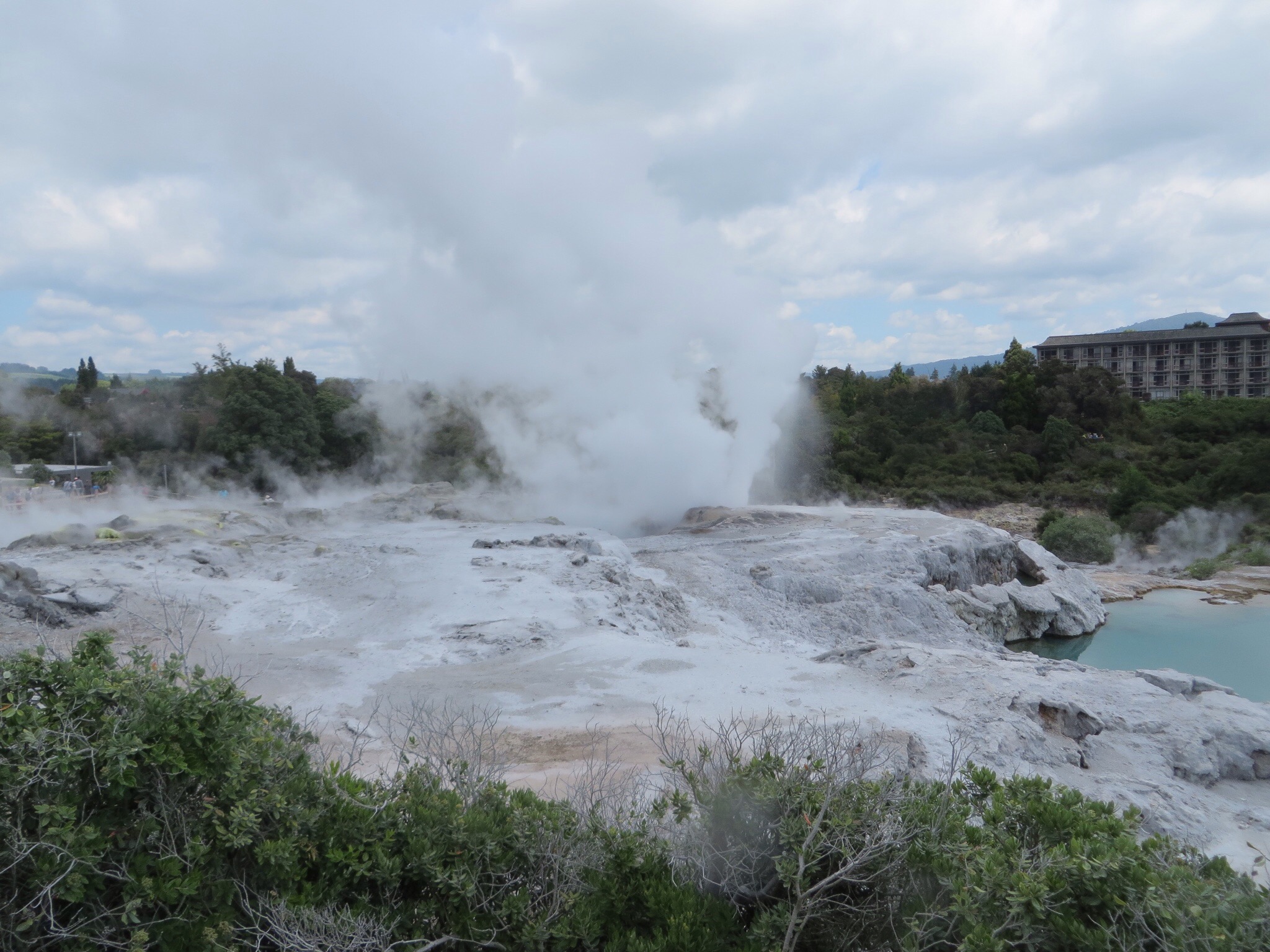
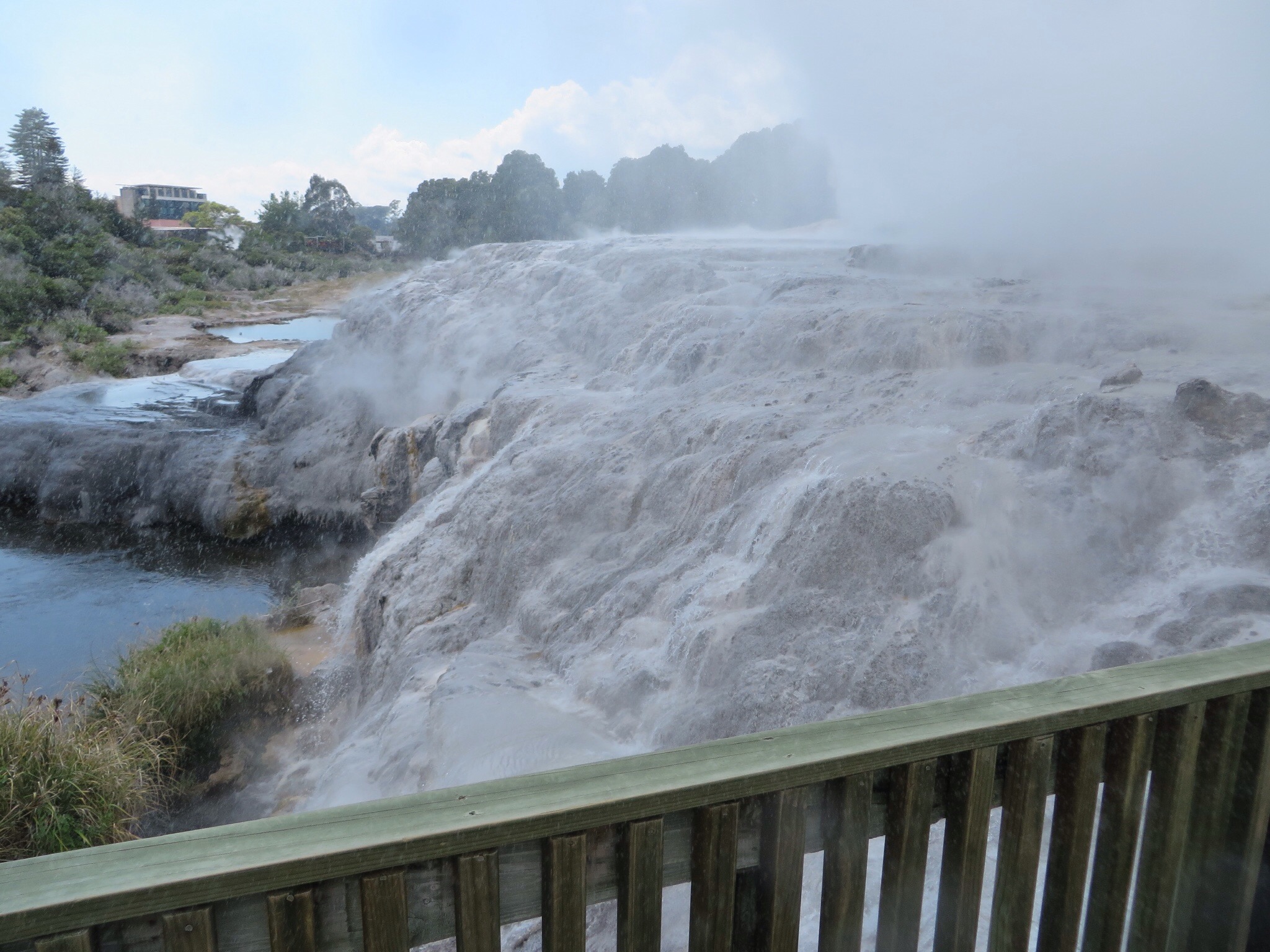
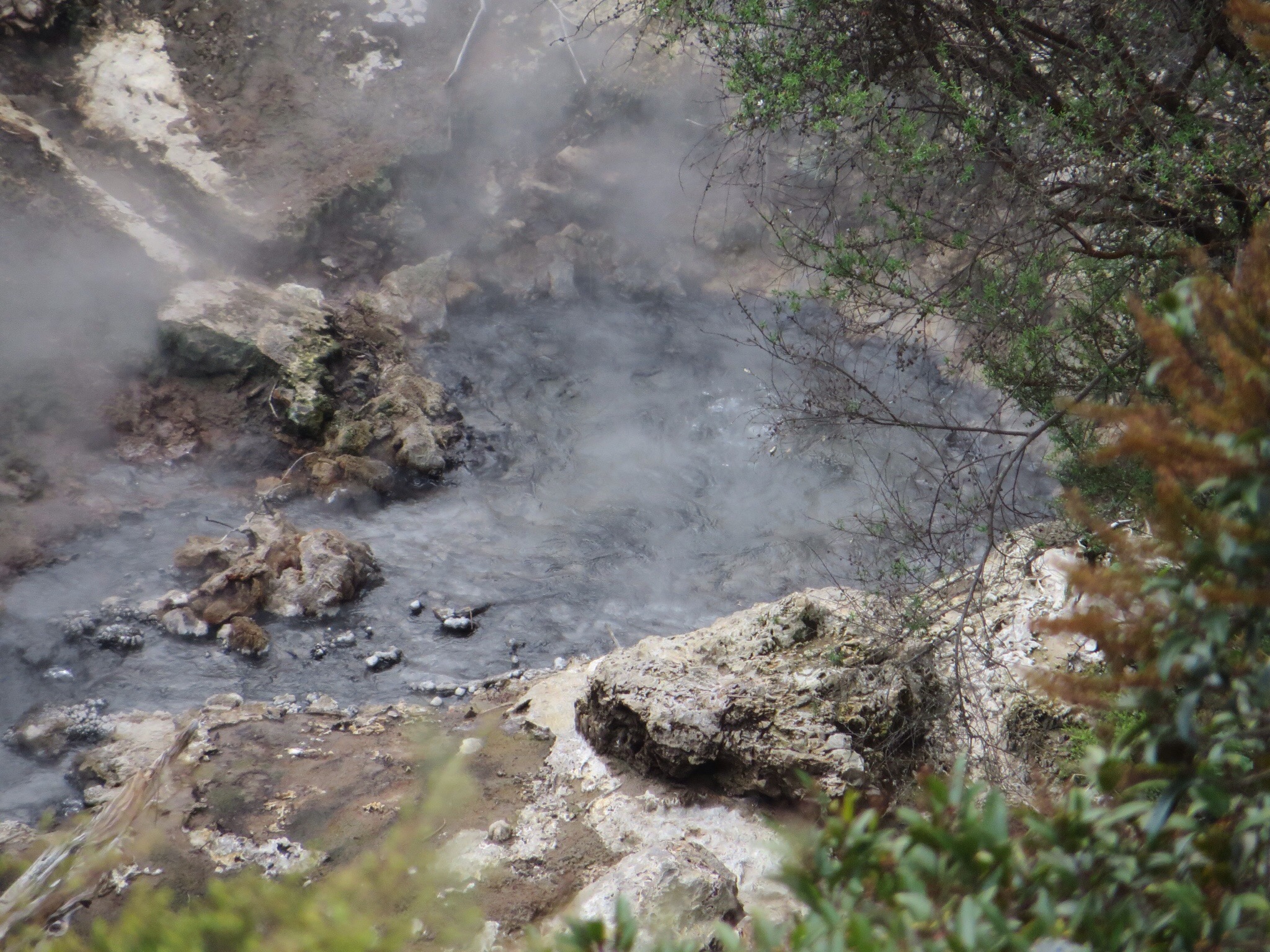
 Our journey through Rotorua brought us to the Maori cultural park. Because the volcanic activity is so close to the surface, there is a natural geyser there that sprays water high into the air on a 30 minute cycle, more or less, and last for about 15 minutes. High pressure water shoots up, spraying all the tourists and causing them to shriek, (in many languages, most of them dialects of Chinese), and covering them, their selfie sticks and their phones with spots of silica, calcium and sulphur deposits. We all rush to wipe our lenses clear before it dries hard.


Boiling hot gases bubble up through mud pools and steam rises though the rocks all around. You can dig a hole and cook your dinner in the hot steam. Really! That’s what they do here. You can get a dinner included tour here, (if you book months in advance, which we, of course, did not do). I talked to the chef for the night and he showed me where dinner was cooking. In the natural hot steam oven. Steamed chicken all round for tonight’s guests. Of course you don’t have to go to cultural parks for natural volcanic steam cookers. No, no. We had one right on our campsite. So ….. naturally steamed corn-on-the-cob for us. Delicious!!